
Noisy Garage Door Repair in Los Angeles
Does your garage door wake up the whole house? Grinding, squeaking, rattling, and banging are not just annoying, they are warning signs. We find the cause and fix it right the first time.
- Diagnose exact noise source
- Same-day quiet door solutions
- Roller, lubricant and hardware service
- Belt drive opener upgrades
- Free written estimates
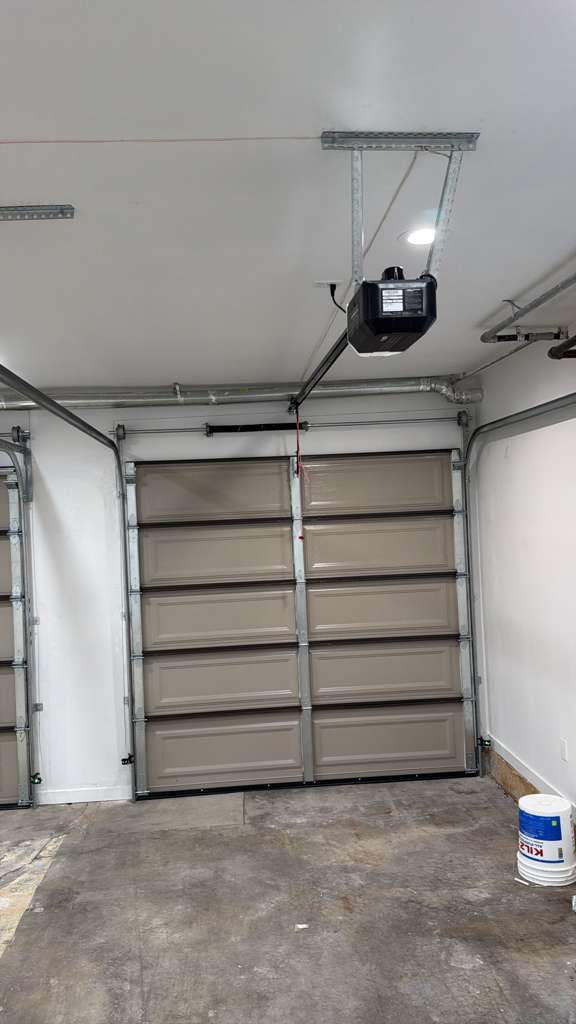
What Is Making That Sound?
Different noises mean different problems. Here is what your garage door is trying to tell you.
| Noise Type | Likely Cause | Solution |
|---|---|---|
| Grinding or scraping | Worn rollers dragging in the track | Roller replacement plus track cleaning |
| Squeaking or squealing | Dry hinges, rollers, or springs need lubrication | Professional lubrication service |
| Rattling or vibrating | Loose hardware, panels, or opener mounting | Hardware tightening and inspection |
| Popping or banging | Garage door binding, sections catching, or spring issues | Balance adjustment plus spring inspection |
| Slapping or snapping | Loose cable, worn opener chain, or panel warping | Cable or opener drive service |
| Loud motor humming | Opener strain from unbalanced door or worn gears | Opener tune-up plus door balance check |
How We Quiet Your Garage Door
Roller Replacement
Upgrade to quiet nylon rollers for near-silent operation, the most effective noise fix
Full Lubrication Service
Professional lubrication of all moving parts with the correct products for each component
Hardware Tightening
Inspecting and tightening all bolts, brackets, and hinges that loosen over time
Spring Adjustment
Balancing the door properly so the opener doesn't strain and vibrate
Anti-Vibration Pads
Installing isolators on the opener mounting to dampen motor vibration into the ceiling
Belt Drive Opener Upgrade
Replacing a noisy chain drive opener with a whisper-quiet belt drive unit
Diagnosing Garage Door Noise Like a Technician
Every sound your door makes points to a specific component. Learning the difference helps you know how urgent the problem is.
What Each Noise Is Telling You
Squealing or screeching usually means dry rollers or hinges begging for lubrication. Grinding points to worn roller bearings or a track alignment problem. Rattling comes from loose hardware, nuts and bolts that vibration has backed off over the years. A rhythmic thumping on every cycle often means a bent roller or a flat spot on one. And a single loud bang from the garage, followed by a door that will not lift, is the classic sound of a snapped torsion spring, which needs professional service before the door is used again.
The Quiet Door Formula for Attached Garages
For bedrooms above or beside the garage, we apply a proven combination: sealed-bearing nylon rollers, a belt-drive opener to replace a rattling chain drive, anti-vibration pads between the opener and its ceiling mounting, and fresh lithium grease on springs and bearings. Together these changes typically reduce perceived noise by well over half. Most clients tell us the door went from waking the household to being barely audible upstairs.
When Noise Signals Danger, Not Just Annoyance
Most noises are wear items, but some demand immediate attention. A popping or straining sound from the spring area, cables that vibrate or hum under load, or a door that groans and hesitates on the way up are signs the counterbalance system is failing. Continuing to run the door in this state risks a spring or cable letting go mid-cycle. If the noise appeared suddenly or is getting worse quickly, stop using the door and have it inspected the same day.
Noise Patterns Common in Los Angeles Garages
Fine dust from dry weather accumulates in tracks and unsealed bearings, while heat dries unsuitable lubricants into a sticky film that collects more grit. In attached garages, vibration from a chain-drive opener can travel through ceiling framing and sound much louder in a bedroom than it does below. We listen during opening and closing, isolate the opener from the door, and test each roller and hinge rather than spraying every component. The result is a targeted repair, such as bearing replacement, track correction, balanced spring tension, or vibration isolation, instead of a temporary reduction in sound.
Noisy Garage Door FAQs
Why is my garage door so noisy?
Most garage door noise comes from one of four sources: worn rollers grinding in the track, dry and unlubricated hinges and springs, loose hardware vibrating during operation, or an unbalanced door straining the opener. A professional tune-up fixes most noise issues in one visit.
How do you diagnose a noisy garage door?
We listen through a complete cycle and test the door separately from the opener. That isolates dry hinges, worn rollers, loose hardware, track contact, spring resonance, and opener vibration so the source is corrected rather than temporarily masked.
Can I fix a noisy garage door myself?
You can try lubricating hinges and rollers with a garage door lubricant spray (not WD-40) as a first step. However, if the noise persists, it usually indicates worn components that need professional service or replacement. DIY lubrication may mask but not fix the underlying issue.
Will replacing rollers make my garage door quiet?
In most cases, yes. Upgrading from steel rollers to nylon rollers eliminates the metallic grinding and scraping that causes most garage door noise. Combined with lubrication, roller replacement makes most doors near-silent.
Is a noisy garage door dangerous?
It can be. Noise often indicates worn components under stress. If ignored, a grinding roller can seize and cause the door to jump the track. A rattling spring might be losing tension. We recommend having any persistently noisy garage door inspected promptly.
Related Garage Door Services
Silence That Garage Door Today
Stop waking up the neighbors. Call us today for a fast noise diagnosis and same-day repair in the Los Angeles area.
(818) 650-7697Get a Free Estimate
Describe the noise and we will give you a free written estimate. Same-day appointments across Los Angeles and the San Fernando Valley.