
Garage Door Weather Seal Replacement in Los Angeles
Water, pests, drafts, and dust sneaking into your garage? Worn weatherstripping is the most common cause. We replace all seal types with durable, UV-resistant materials, same-day service available.
- All seal types: bottom, sides, top, threshold
- UV-resistant materials for LA climate
- Same-day service
- All door widths and styles
- Free written estimates
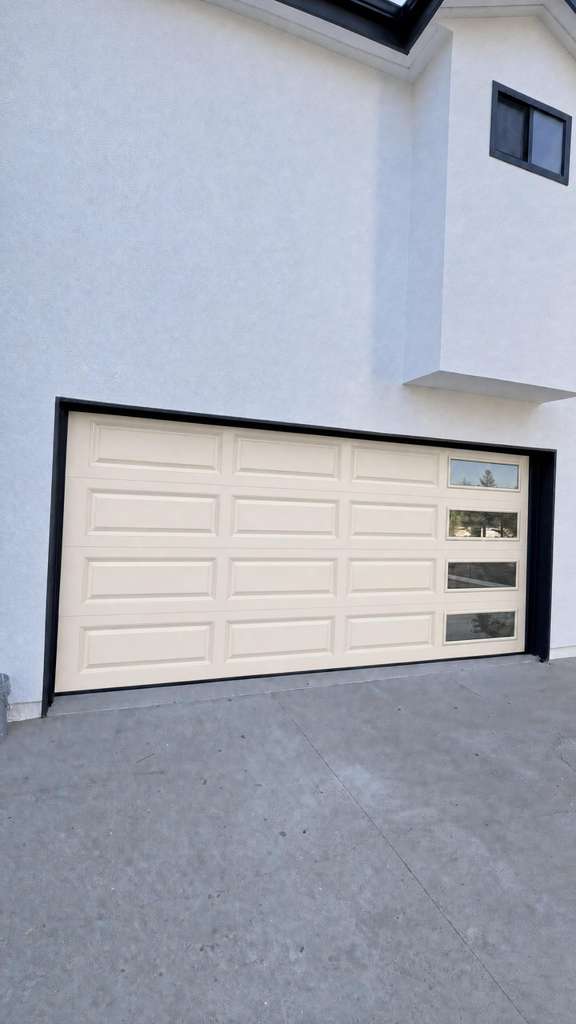
Benefits of New Weather Seals
Water Protection
Prevents rain and runoff from entering and damaging your garage floor, stored items, and walls
Better Comfort
A continuous seal limits hot air, drafts, dust, and moisture around attached garages
Pest Exclusion
Closes the gaps that mice, insects, and other pests use to enter your home through the garage
Dust and Debris Control
Keeps wind-blown dust, leaves, and debris from accumulating inside your garage
Seal Types We Replace
Bottom Seal (Astragal)
Seals the gap between the door bottom and the floor. Most critical seal for water and pest prevention.
Side Seals (Stops)
Foam or rubber strips on the door frame sides that seal against wind and drafts.
Top Seal
Seals the gap between the top of the door and the header frame.
Threshold Seal
Adheres to the garage floor to create a water-tight barrier when the door closes.
Panel Seals
Between-panel rubber gaskets that prevent air infiltration through the door sections.
Complete Weather Sealing: More Than Just the Bottom Strip
A garage door has four sealing zones. Sealing only one leaves the other three letting in water, dust, and pests.
The Four Zones of a Fully Sealed Door
A complete seal job covers the bottom seal along the floor, vinyl stop molding with integrated weatherstripping on both sides and the top of the frame, and thin V-seals between the door panels themselves on older sectional doors. Most LA garages we visit have only a deteriorated bottom seal and bare wood stop molding. Sealing all four zones typically cuts dust infiltration dramatically and makes a noticeable difference in garage temperature during summer heat waves.
Weather Sealing as Pest and Rodent Defense
Mice can squeeze through a gap the width of a pencil, and the corners where the bottom seal meets the side molding are the most common entry point we find in LA homes. Rodent-resistant seals with embedded steel mesh exist specifically for this problem, and properly mitered corner joints eliminate the gap entirely. If you have found droppings in the garage, sealing the door correctly is usually more effective and far cheaper than ongoing pest control treatments.
Energy Savings for Attached Garages
When your garage shares walls with living space, every degree of temperature difference bleeds through. An unsealed door lets summer heat pour in, forcing air conditioning in adjacent rooms to work harder. Combined with an insulated door, full perimeter sealing can keep a garage 10 to 20 degrees closer to indoor temperature. For homes with bedrooms above the garage, homeowners typically feel the difference in the first heat wave after we complete the work.
Selecting Materials for Each Los Angeles Exposure
A west-facing Valley garage needs a seal that tolerates intense afternoon heat and UV, while a coastal garage needs corrosion-resistant fasteners and material that remains flexible in damp salt air. Wind-driven dust is a larger concern near canyons and construction corridors, and hillside properties may need a threshold solution for angled runoff. We inspect exposure, floor slope, corner gaps, door movement, and the condition of the wood or metal stops before selecting a profile. Matching the material to the site prevents premature cracking, pulled fasteners, and seals that interfere with safe door travel.
Weather Seal FAQs
Which garage door seals may need replacement?
A technician checks the bottom seal, retainer, side and top weatherstrip, and the way the door meets the floor. Replacing only the failed material preserves sound components while restoring a continuous barrier around the opening.
How do I know if my garage door weatherstripping needs replacing?
Signs include: visible daylight around the door when it's closed, water or debris inside the garage after rain or wind, insects or pests entering, feeling drafts near the door, or visible cracking, tearing, or flattening of the rubber or foam seals.
How long does garage door weatherstripping last?
In Los Angeles's climate, garage door seals typically last 3 to 5 years. UV exposure and heat accelerate deterioration. If your seals are more than 5 years old, it's worth having them inspected even if they look okay from the outside.
Can I replace garage door weatherstripping myself?
Side and top seals can be replaced as a DIY project with basic tools and materials from a hardware store. Bottom seals can be trickier if the retainer channel needs replacement. For complete perimeter sealing with a professional finish, we recommend professional installation.
Does better weatherstripping make a garage door more energy efficient?
Yes, especially for attached garages. A properly sealed garage door reduces air infiltration and helps conditioned rooms beside or above the garage stay more comfortable. Combined with an insulated door, complete weatherstripping can make a meaningful difference in energy efficiency.
Related Garage Door Services
Seal It Right Today
Same-day weather seal replacement throughout Los Angeles. Fast, clean, and done right the first time.
(818) 650-7697Get a Free Estimate
Tell us where water or dust is getting in and we will give you a free written estimate for a full perimeter seal across Los Angeles and the San Fernando Valley.