
5 Signs Your Garage Door Spring Needs Replacement
Recognize the 5 signs your garage door spring needs replacement. Protect your home and family with professional advice from MSB Garage Door Repair in Los Angeles.
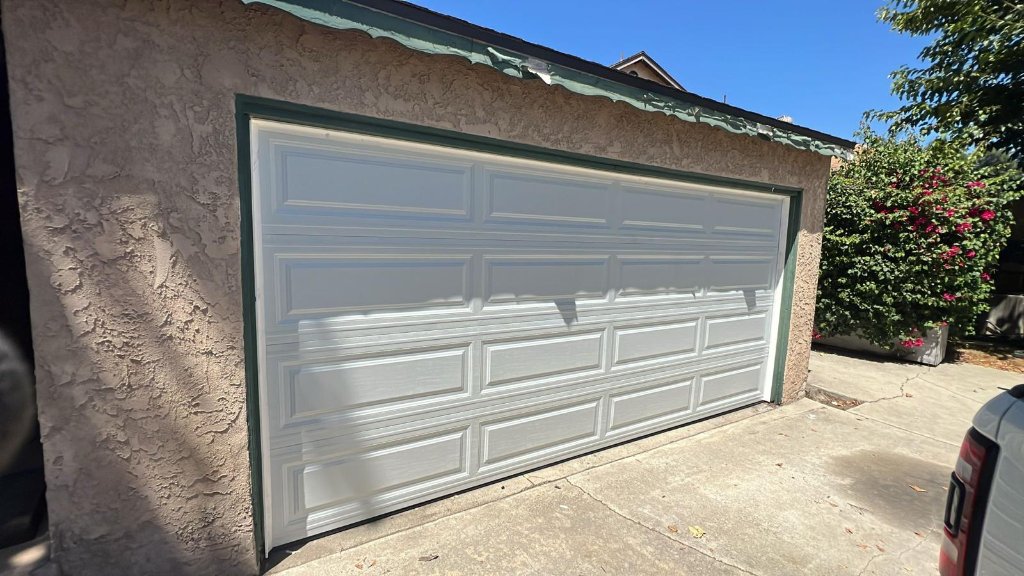
5 Signs Your Garage Door Spring Needs Replacement
As a homeowner in the Los Angeles area, your garage door is likely the largest moving object in your home. At MSB Garage Door Repair, we see firsthand how the unique climate of Southern California, combined with the thousands of cycles a door completes annually, impacts the structural integrity of your hardware. A key component of your door system is the garage door spring. Understanding when you need a Spring Replacement is not just about convenience; it is a critical safety matter for your household. In this guide, we detail five clear signs that your springs have reached the end of their service life.
Understanding the Mechanics of Garage Door Springs
Garage door springs are engineered to counterbalance the total weight of the door, which can range from 100 to over 400 pounds. Whether your home features torsion springs mounted above the door or extension springs along the tracks, these components endure extreme tension. In high-traffic urban settings like LA, frequent usage accelerates wear. If a spring fails, the door can drop instantly, leading to significant property damage or personal injury. Regular Safety Inspections are the most effective way to monitor the status of your system before a total failure occurs.
1. Unusual Noises During Operation
When your garage door begins to sound like a construction site, take notice. Unusual sounds are the earliest warning signs of mechanical distress. If you hear loud pops, bangs, or sharp grinding noises, it is a sign that your spring is losing its structural integrity or snapping under pressure.
- Banging or slamming: This is the definitive sound of a spring snapping.
- Creaking or groaning: Friction is building up, likely due to a loss of protective lubricant.
- Popping: Often caused by coils rubbing against each other as tension shifts unevenly.
- Rattling: Hardware connecting the spring to the header bracket may be loose.
If you encounter these sounds, stop using the door immediately and call us for Emergency Repairs to prevent further damage to your motor or cables.
2. Difficulty Opening or Closing the Door
Your garage door should glide open with minimal resistance. If you notice the door struggling to lift or if the garage door opener sounds like it is straining, the springs are no longer doing their job. Modern openers include safety sensors, but they are not designed to lift a door that lacks proper counterbalance from the springs.
Pro Tip: To check your spring balance, disconnect the opener by pulling the red emergency release cord and manually lift the door halfway. If it stays in place, your springs are likely fine. If it slams shut or flies open, you need immediate professional service.
3. Visible Wear, Corrosion, and Gaps
Visual inspections should be part of your seasonal home maintenance. Because of the humidity and salt air in coastal Los Angeles regions, rust can degrade steel springs rapidly. Look closely at the coils. If you see a physical gap between the coils, the spring has stretched beyond its elastic limit. Furthermore, any visible rust or flaking metal reduces the thickness of the steel, making it prone to sudden snapping.
When to Inspect
We recommend performing a visual check every three months. If you see signs of oxidation or permanent deformation, contact us to discuss Spring Replacement options that offer better corrosion resistance for your specific area.
4. The Door Feels Significantly Heavier
A properly balanced garage door should feel nearly weightless when you lift it manually. If the door feels heavy, sluggish, or requires significant physical strength to open, the spring tension has failed. Operating a door in this condition puts immense stress on your Opener Installation, which will lead to burned-out gears and motor failure if left unaddressed. It is far cheaper to replace a pair of springs than it is to replace the entire motor system.
5. The Door Fails to Stay Open
If you open the garage door and it begins to drift downward, your springs have lost the tension required to hold the door in the open position. This is a severe safety hazard. Whether the door drifts six inches or falls entirely, it creates an entrapment risk for anyone walking underneath. This behavior indicates that the torsion springs are likely broken or that the extension springs have stretched too far to provide the necessary support.
When to Call a Professional
Attempting a DIY spring repair is one of the most dangerous tasks a homeowner can undertake. High-tension springs store enough kinetic energy to cause serious injury. At MSB Garage Door Repair, our technicians use specialized tools and safety protocols to ensure the job is performed correctly. If you notice any of the signs above, rely on our professional Garage Door Repair team to restore your home security safely and efficiently.
Conclusion
Ignoring these five signs will not only lead to a non-functional door but could result in costly secondary damage to your garage door opener, panels, or tracks. Proper maintenance is an investment in the longevity of your home. If you are experiencing issues, do not wait for a complete failure. Contact MSB Garage Door Repair at (818) 650-7697 to speak with our experts or use our online portal to Book a Service today for a comprehensive evaluation.
Factors Influencing Spring Longevity in Los Angeles
In the Los Angeles metropolitan area, your garage door spring lifespan is dictated by more than just raw operation cycles. Homeowners in neighborhoods near the coast, such as Santa Monica, Malibu, or Redondo Beach, face the relentless challenge of saline air. This salt-heavy moisture acts as a catalyst for oxidation, which eats away at the steel wire of your springs. Even in inland valleys where the climate is drier, the extreme temperature swings between day and night cause metal fatigue. The continuous expansion and contraction of the steel coils under these conditions can shorten the functional life of a standard spring by up to thirty percent compared to more temperate, stable climates.
The Critical Link Between Springs and Opener Health
Many homeowners erroneously believe that their garage door opener does all the heavy lifting. In reality, the opener acts merely as an automated guide. Your springs perform the actual work of counterbalancing the weight of the steel or wood door sections. When a spring begins to lose tension, your opener motor is forced to compensate by drawing extra amperage to force the door upward. Over time, this consistent strain leads to stripped plastic gears, motor burnout, and burned circuits. If you notice your wall-mounted control unit or handheld remote is failing to engage the door smoothly, verify your spring condition before assuming the electronics are at fault. Addressing spring weakness early is a cost-effective way to protect your Opener Installation from premature replacement.
Understanding Cycle Ratings
When you consult with our team about a Spring Replacement, you will often hear us discuss cycle ratings. A cycle is defined as the door opening and closing one complete time. Standard springs installed by builders often have a rating of 10,000 cycles. For a busy Los Angeles family using the garage as a primary entryway, this threshold can be reached in as little as three to five years. We highly recommend that homeowners upgrade to high-cycle springs, which are engineered to last up to 25,000 or 50,000 cycles. Investing in higher quality materials upfront is a wise financial decision that delays the necessity of future repairs and provides consistent door operation for years to come.
Safety Protocol for Homeowners
While DIY videos might make hardware replacement seem simple, garage door spring systems are under immense static tension. A slip of a wrench or a misaligned winding bar can result in the spring releasing that energy with catastrophic force. Please adhere to the following safety criteria: Never attempt to adjust or detach the bottom bracket cable, as it is connected to the high-tension springs. Do not place your fingers near the track or pulley systems while the door is in motion. Avoid applying grease to the springs, as this can trap debris and moisture, accelerating rust. If you need a professional assessment, our Safety Inspections are specifically designed to catch these risks before they turn into accidents.
Criteria for Selecting a Service Provider
Choosing the right partner for your garage door needs requires more than just checking the lowest price. Look for local experts who understand the specific topography and infrastructure of Los Angeles housing. Ensure that any company you work with uses high-grade, oil-tempered steel springs that are appropriate for your specific door weight. Our technicians are trained to perform a full calibration of your door system after every spring install to ensure that the tension is perfectly balanced. This prevents uneven wear on your cables, drums, and hinges, effectively extending the lifespan of every component in your garage door assembly.
Related articles
Need professional garage door service?
Repairs, replacements and maintenance across Los Angeles and the San Fernando Valley. Same-day service and free written estimates.