
Common Garage Door Repairs and How to Handle Them
Learn how to handle common garage door repairs in Los Angeles. Get professional tips on maintenance, spring safety, and when to call MSB Garage Door Repair.
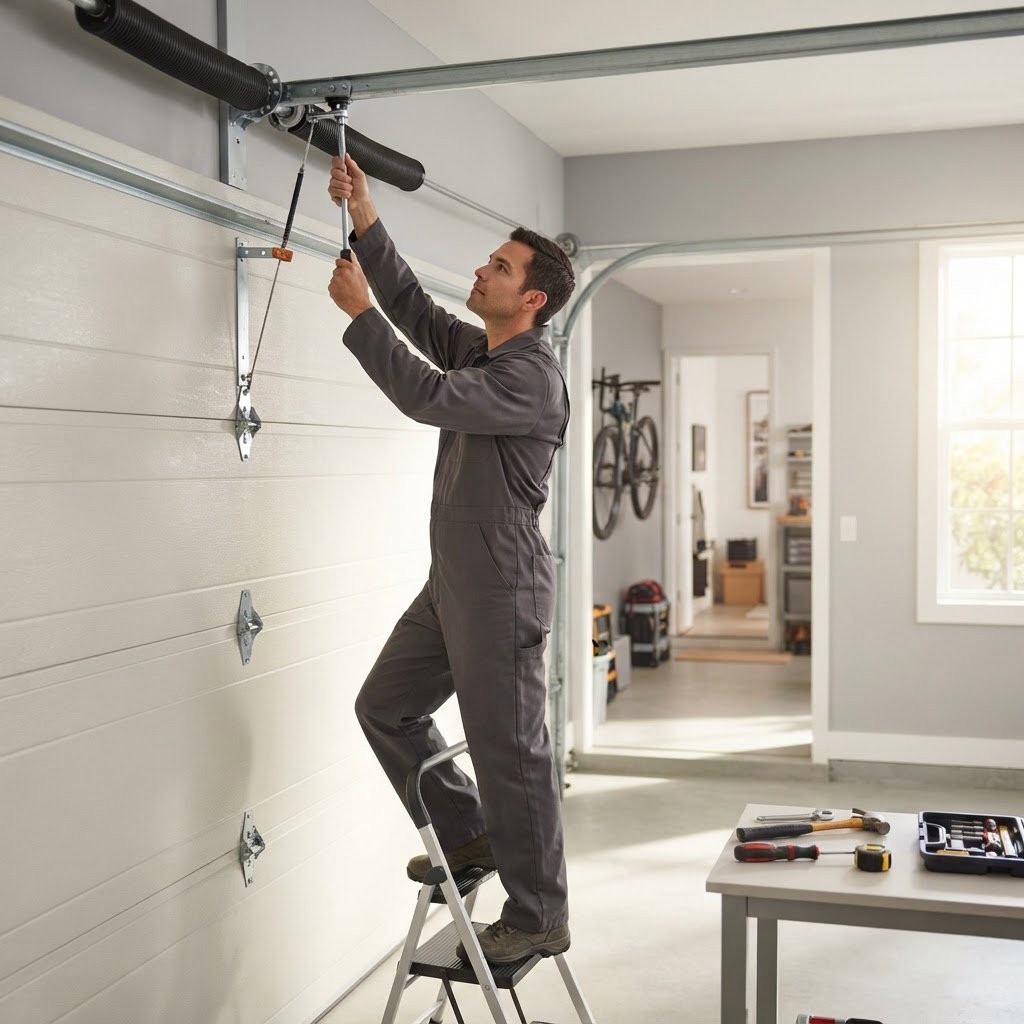
Common Garage Door Repairs and How to Handle Them
For homeowners across the vast urban landscape of Los Angeles, your garage door is much more than a convenience. It serves as a primary point of entry and a massive, heavy security barrier for your home. Whether you reside in the sun drenched neighborhoods of the San Fernando Valley or the dense corridors of downtown Los Angeles, your garage door system faces unique challenges. Daily traffic vibrations, extreme temperature fluctuations between desert heat and cool coastal nights, and the salt air influence lead to significant wear and tear. At MSB Garage Door Repair, we have observed that neglected maintenance is the leading cause of premature system failure. Understanding the common issues and the steps required to address them is vital for protecting your property and family.
Identifying Early Warning Signs of Garage Door Failure
Garage doors are sophisticated mechanical systems that rarely fail without warning. By identifying the subtle clues provided by your system, you can often address minor issues before they cascade into a full system shutdown.
The Most Common Symptoms of Trouble
- Audible Alerts: If you hear grinding, scraping, or high pitched squealing during operation, you are likely dealing with dry rollers, debris in the track, or a motor gear housing issue.
- Irregular Movement: A garage door that appears to wobble, hangs unevenly, or reverses abruptly upon touching the floor suggests a calibration issue or an obstruction in the safety path.
- Visual Decay: Regularly inspect your hardware. Look for visible rust on hinges, loose bolts on the brackets, or sagging cables. In the coastal humidity of Southern California, metal components can corrode up to 20 percent faster than in inland regions.
- Latency: If your remote or keypad shows a significant delay, your logic board or batteries may be struggling to communicate, potentially indicating an aging opener unit.
Detailed Troubleshooting and DIY Repair Guidance
While some minor adjustments can be performed by homeowners, proceed with extreme caution. Garage door systems contain components under hundreds of pounds of tension.
1. Spring Maintenance and Proper Balancing
Garage door springs are the heart of the system, responsible for balancing the weight of the door. If your door feels heavy when you lift it manually or the motor struggles, the springs are likely failing. For professional assistance, explore our Spring Replacement page. Never attempt to handle torsion springs yourself; they store immense energy and can cause life threatening injuries if they snap while being manipulated without specialized tools.
2. Calibrating Safety Sensors
Safety sensors are legally mandated to prevent accidents. If your door refuses to close or reverses randomly, first check that the infrared beam is unobstructed and that the green LEDs on both sensors are illuminated. Clean the glass lenses with a microfiber cloth to remove dust buildup, which is especially common during the long, dry California summers.
3. Resolving Opener Malfunctions
If the opener remains unresponsive, start by checking the wall console and the circuit breaker. Sometimes, a full power cycle of the unit is necessary to clear a software glitch. If the motor hums but fails to engage the drive mechanism, the internal gears may be stripped, necessitating professional Opener Installation.
The Critical Importance of Scheduled Safety Inspections
Regular maintenance can effectively extend the lifespan of your garage door system from 10 years to over 20. We recommend biannual Safety Inspections to identify micro fractures in cables or fraying pulleys that remain invisible to the untrained eye. During these inspections, our technicians apply high grade silicone based lubricant to all hinges and rollers to ensure whisper quiet operation during the intense heat of Los Angeles summers.
Pro Tip: Keep a detailed maintenance log inside your garage. Recording the date of your last spring adjustment, roller replacement, or sensor cleaning helps you track exactly when components are due for their next professional checkup.
When to Call a Professional at MSB Garage Door Repair
There are specific scenarios where DIY efforts are insufficient or dangerous. If you experience any of the following, contact our team immediately for Emergency Repairs:
- Snapped Torsion Springs: These are under massive pressure and require specialized winding bars for safe removal and installation.
- Off Track Doors: Realigning tracks requires precise measurements to ensure the door remains balanced; improper alignment leads to premature cable failure and motor burnout.
- Broken Cables: If your door is crooked or hanging by one side, the cables may have come loose or snapped, posing a critical danger of the door collapsing onto vehicles or people.
- Complex Electrical Failures: Wiring issues or motherboard malfunctions within the motor unit require licensed technicians to prevent fire hazards or permanent equipment damage.
For high quality, guaranteed results, trust the experts at Garage Door Repair. Whether you need a simple part replacement or a full Garage Door Installation, we are here to help you secure your home.
Conclusion: Ensuring Long Term Longevity
Maintaining your garage door is a vital investment in your home value and personal security. By staying vigilant about unusual noises and scheduling routine service, you avoid the cost and frustration of an unexpected lockout. If you need reliable, prompt service today, reach out to MSB Garage Door Repair. We pride ourselves on fast response times across the Greater Los Angeles area. Call us at (818) 650-7697 or Book a Service online to keep your door in top shape.
Managing Environmental Impacts on Los Angeles Garage Systems
The unique climate of Southern California presents specific challenges for residential garage systems. Beyond the immediate mechanical wear, the transition from heavy morning marine layer moisture to the intense afternoon heat cycle in areas like Burbank or Pasadena creates a process of expansion and contraction that stresses your hardware. Over time, this thermal cycling can weaken the structural integrity of your garage door panels, especially if they are constructed from wood or uninsulated steel. Homeowners should inspect the bottom weather seal annually, as the extreme UV exposure common in California regions causes rubber to crack and lose its seal, leading to pest infiltration and energy loss.
Addressing Salt Air Corrosion Near the Coast
If your home is located within a few miles of the Pacific Ocean, salt air is your primary adversary. The salt content in the atmosphere acts as a catalyst for oxidation, significantly accelerating rust on metal rollers, hinges, and track brackets. To mitigate this, we recommend a semi annual cleaning of your hardware using a damp cloth, followed by the application of a high grade silicone lubricant specifically formulated for high heat environments. Avoid using heavy grease, which acts as a magnet for the fine dust and smog particles prevalent in Los Angeles, effectively creating an abrasive paste that can grind down your moving parts.
Evaluating Component Life Cycles
Knowing when a component has reached the end of its useful life is essential for maintaining a secure home. While many homeowners hope for a quick fix, understanding when a full replacement is necessary saves money in the long run. Use these decision criteria to assess the state of your system:
- Spring Fatigue: Springs typically last between 10,000 and 15,000 cycles. If you have lived in your home for more than seven years without replacing your springs, they are likely approaching critical failure.
- Roller Condition: If your garage door vibrates or shakes as it rises, your rollers may be worn down to the metal. Switching to nylon sealed ball bearing rollers can reduce noise significantly and extend the life of your track.
- Motor Age: If your opener was manufactured before 2010, it likely lacks modern safety features like integrated battery backups and rolling code technology, which protects you against garage door remote hacking.
Homeowner Safety Protocols
Safety is the most important factor when dealing with an automated door system. The weight of an average garage door can exceed 300 pounds. You should perform the monthly balance test to ensure the system is operating safely. To conduct this test, disconnect the opener by pulling the red emergency release handle while the door is in the fully closed position. Lift the door manually to the midpoint of its travel. If the door stays in place without drifting up or down, it is properly balanced. If it falls or zips upward, the spring tension is incorrect and requires immediate adjustment by a professional. Learn more about maintaining your system with our Maintenance Guides to ensure you are following all manufacturer safety protocols.
Integrated Smart Home Considerations
Modern Los Angeles homeowners are increasingly integrating their garages into broader smart home ecosystems. While upgrading your motor to a Wi-Fi enabled unit offers significant convenience, such as monitoring your door status remotely or providing temporary access to service workers, it also introduces cybersecurity considerations. Ensure your home network is secured with a strong password and that you regularly update the firmware of your garage opener unit. If you are planning an upgrade, consider our Smart Opener Upgrades service to ensure your new system is configured correctly and securely integrated with your home technology.
Related articles
Need professional garage door service?
Repairs, replacements and maintenance across Los Angeles and the San Fernando Valley. Same-day service and free written estimates.