
5 Garage Door Maintenance Tips to Avoid Costly Repairs
Learn 5 essential maintenance tips from MSB Garage Door Repair in Los Angeles to extend your door lifespan and avoid costly repairs. Call (818) 650-7697 today.
Why Regular Maintenance Matters in Los Angeles
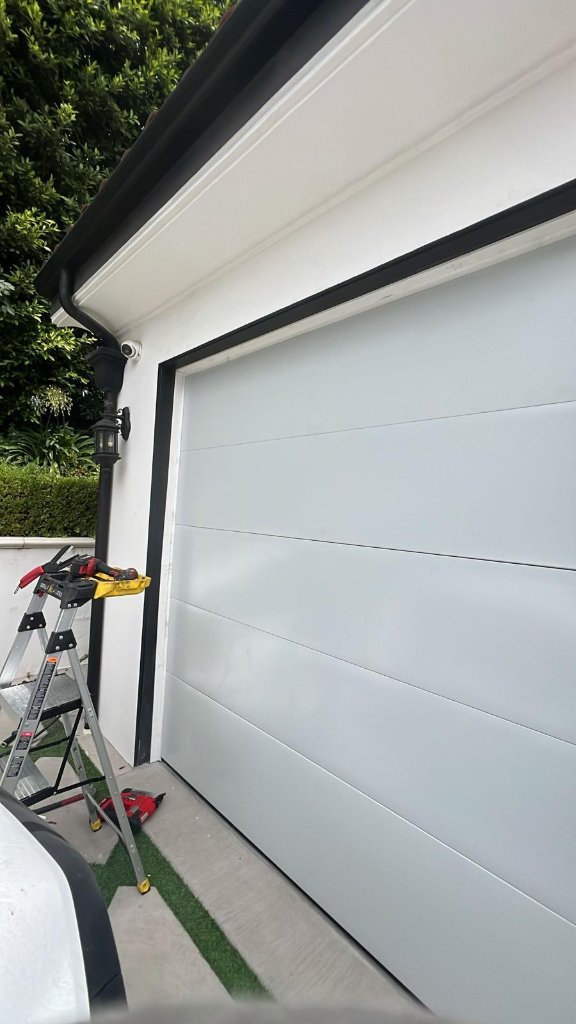
Your garage door is the largest moving mechanical system in your home. For Los Angeles homeowners, who rely on their garage as a primary entryway, failure of this system is more than an inconvenience; it is a major security and safety risk. At MSB Garage Door Repair, we see the impact of our local climate, including salt air from the coast and heavy dust from the Santa Ana winds, which accelerate wear and tear. Regular maintenance is not just about keeping the door quiet; it is about extending the lifespan of your garage door hardware by years. Neglecting basic care leads to common issues like Spring Replacement needs, frayed cables, and burned-out motors. Investing 30 minutes every six months into a basic tune-up can save you hundreds or even thousands of dollars in emergency Emergency Repairs later on. Consistent care mitigates the impact of the Southern California heat cycles which cause metal fatigue.
1. Lubricate Moving Parts Every 6 Months
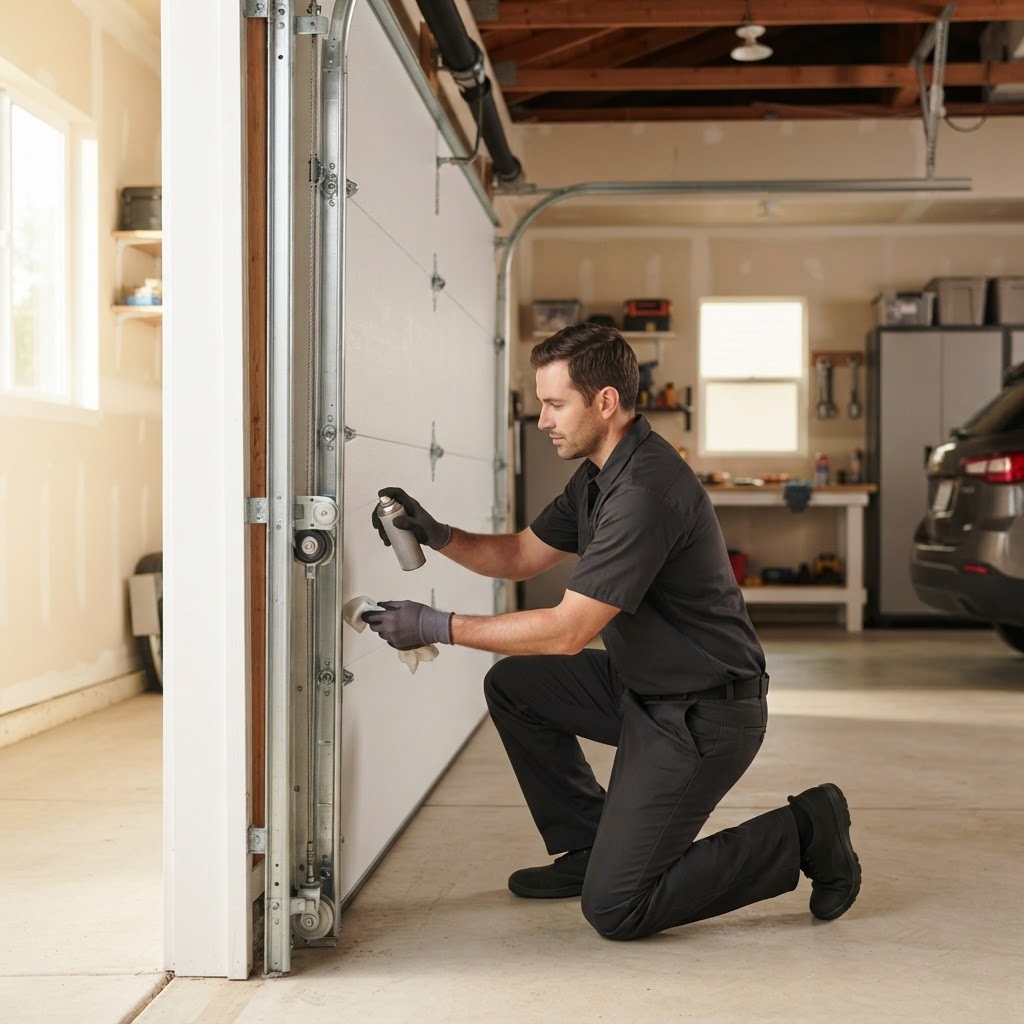
Lubrication is the single most effective way to ensure a quiet and smooth garage door operation. As local experts, we emphasize that you must use a silicone-based or white lithium grease designed specifically for garage doors. Never use WD-40, as it is a degreaser that strips existing lubricant and attracts dust, which is particularly problematic in Los Angeles neighborhoods.
Where to Focus Your Lubrication
- Torsion Springs: Lightly coat the springs to prevent surface rust and oxidation caused by coastal moisture.
- Hinges: Apply a small amount to the metal pivot points where the panels fold.
- Rollers: Only lubricate the ball bearings on steel rollers. If you have nylon rollers, do not apply lubricant to the stem or the wheel.
- Tracks: Do not lubricate the tracks themselves. They should remain clean and dry to ensure the rollers move smoothly without sliding.
By applying lubricant twice annually, you reduce friction on the motor, potentially extending its life by up to 5 years.
2. Test the Auto-Reverse Safety Feature Monthly
Safety is the primary reason we perform professional Safety Inspections. Federal law has required auto-reverse sensors on residential garage doors since 1993. If your home has an older system, you should consider a modern Opener Installation to ensure your family is protected.
How to Perform the 2x4 Test
Place a solid 2x4 piece of wood flat on the floor in the center of the door threshold. Activate your garage door to close. Upon contact with the wood, the door should immediately sense the resistance and reverse direction. If it continues to press against the wood, you have a dangerous condition. Secondly, check your photo-eye sensors located near the floor. Wave your foot across the beam while the door is closing. If it fails to reverse, clean the lenses with a soft cloth to remove dust buildup or realign the mounting brackets.
Pro-tip: If your garage door reverses intermittently for no apparent reason, check for sunlight glare hitting the sensors, or consider upgrading to modern sensors that are less susceptible to environmental interference.
3. Inspect and Tighten Hardware
A standard garage door undergoes thousands of cycles annually. This constant vibration causes bolts and fasteners to loosen over time. Every three to six months, perform a visual sweep of the entire mechanism to prevent catastrophic failure.
What to Tighten
- Track Brackets: Ensure the vertical and horizontal tracks are securely fastened to the wall and ceiling jambs.
- Hinge Bolts: Check the bolts connecting the door panels to the hinges.
- Header Bracket: Inspect the mount where the motor rail connects to the wall above the door.
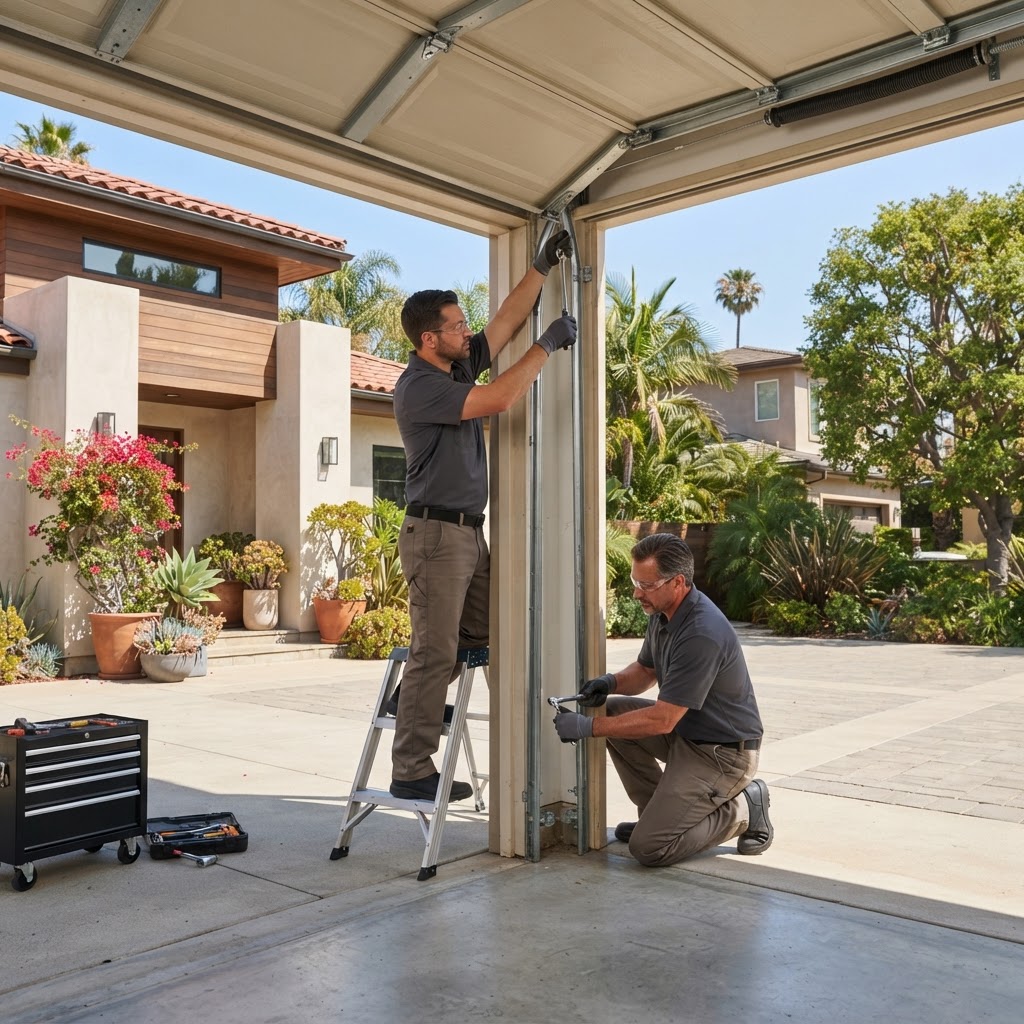
Always use a standard socket wrench to snug these bolts. Avoid using a power drill on the highest torque setting, as it can strip the threads or damage the door panel material. If you feel excessive wobble in the track system, contact us for professional Garage Door Repair.
4. Inspect and Replace Weatherstripping
Los Angeles weather changes can take a toll on your home seals. The rubber strip at the bottom of your door acts as a barrier against water, insects, and grit. Over time, this rubber dries out and cracks. Replacing the bottom seal is a budget-friendly DIY project, usually costing under 60 dollars for high-quality materials. If the seal is cracked, you are likely losing conditioned air, which increases your monthly energy costs. Check the side and top seals as well, as these keep the garage clean and help prevent rodents from entering the home. If you notice a gap of more than 1/4 inch, it is time for a replacement.
5. Test the Door Balance Annually
An unbalanced door is the leading cause of motor failure. To test your door, pull the red emergency release cord while the door is in the fully closed position. Then, manually lift the door. It should move easily with one hand. When you lift it to about waist height and release it, it should remain stationary. If the door slams shut or flies open, your springs are losing their tension. Because springs are under extreme high tension and can be dangerous to handle without specialized equipment, we strongly recommend that you do not attempt to adjust these yourself. If you notice signs of failure, book a professional spring replacement or adjustment to prevent injury.
When to Call a Professional
While DIY maintenance is helpful, some tasks require a trained technician. If you notice deep rust, frayed steel cables, bent tracks, or the door motor sounds like it is grinding, do not force the door to operate. Attempting to fix high-tension spring systems without proper tools can lead to severe personal injury. For a comprehensive tune-up or a new Garage Door Installation, trust the team at MSB Garage Door Repair. We are local and ready to help.
Call MSB Garage Door Repair at (818) 650-7697 to schedule your service or Book a Service online today.
Managing Environmental Factors in Los Angeles
Living in Southern California presents unique challenges for garage door systems. The combination of intense ultraviolet light and high concentrations of airborne particulates from local freeways and Santa Ana winds can degrade components faster than in other climates. Prolonged exposure to high heat causes rubber seals to become brittle and cracks finish coatings on wooden doors. For homeowners in coastal regions, salt air creates a persistent oxidation risk for steel tracks and springs. We recommend a proactive approach by cleaning your tracks with a damp cloth every few months to prevent grit buildup which acts like sandpaper against your rollers. If you notice signs of surface corrosion, a light application of a cold galvanizing spray can protect metal components until your next Safety Inspections visit. Remember that preventative cleaning prevents premature mechanical wear.
The Importance of Track Alignment
Your garage door tracks act as the guide for the entire system. Over time, the heavy vibration of daily operation combined with the natural settling of foundations in the Los Angeles basin can cause tracks to shift. If you suspect your door is not level, look for gaps between the rollers and the track walls. A misaligned track forces your motor to work harder, which often leads to burnt out drive gears. Before calling for help, check if the tracks are parallel. If the gap between the door and the track varies significantly from top to bottom, do not attempt to pry them into place yourself. This requires precision leveling tools to ensure the door remains square and operates safely. Our professional Garage Door Repair team can quickly diagnose and realign your system to prevent further damage to the panels or motor.
Homeowner Safety and Liability Considerations
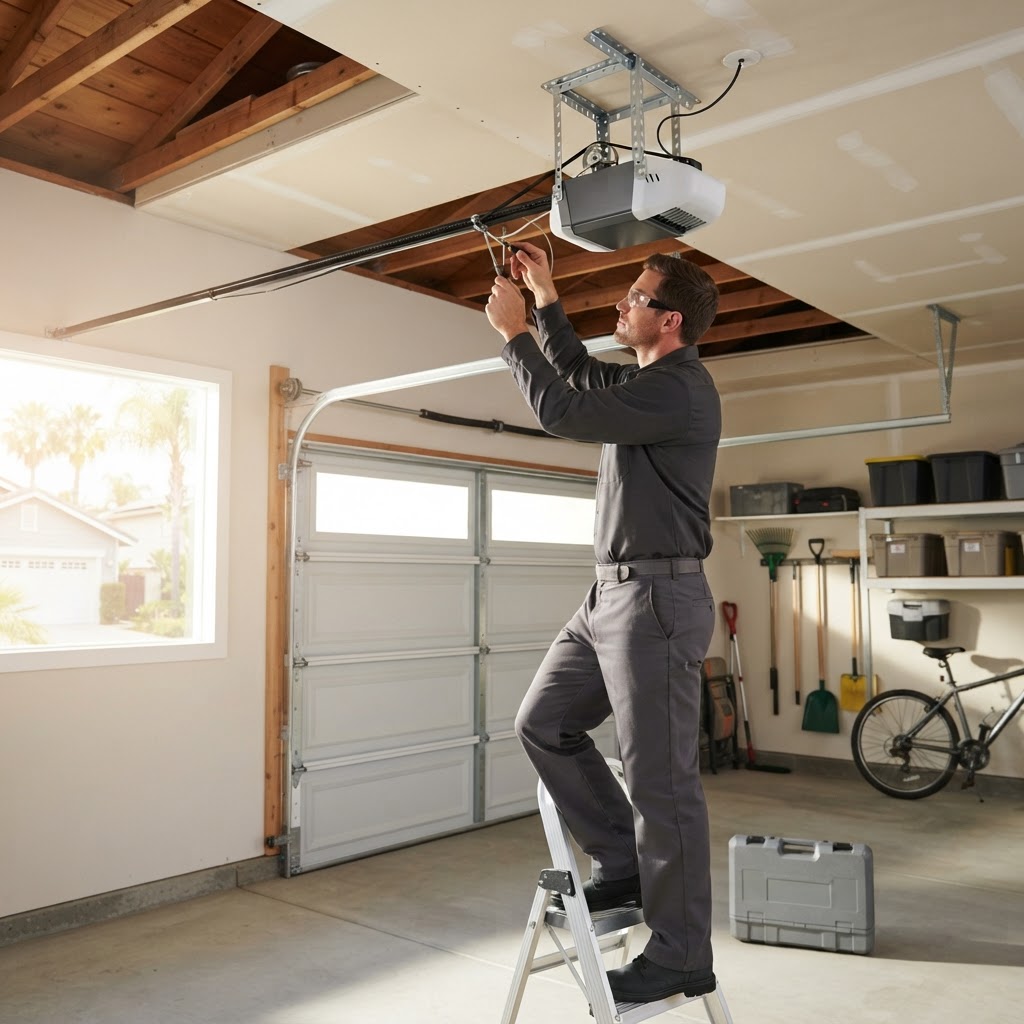
As a homeowner, your garage is often a major access point for the entire residence. Maintaining the security of the door is as important as its mechanical health. Many older systems in Los Angeles homes are vulnerable to forced entry. Inspect the emergency release cord and ensure it is not easily accessible from the outside. We strongly advise against using any makeshift locks or padlocks on the horizontal tracks, as these can accidentally engage while the motor is running, causing catastrophic damage to the opener and potentially snapping the spring. Always rely on the internal locking mechanism of the motor system. If your motor is over 15 years old, it likely lacks rolling code technology, which protects you from digital hackers. Consider a modern Opener Installation to upgrade both your physical safety and your home security protocols.
Diagnostic Checklist for Common Noises
Garage doors communicate their health through the sounds they produce. Learning to identify these noises can help you decide when to perform routine maintenance and when to call a professional:
- Popping or Cracking: Often caused by excessive rust on hinges or debris in the track.
- Grinding or Metal on Metal: Usually indicates a lack of lubrication or severely worn out ball bearings in your rollers.
- High Pitched Squealing: Typically a sign that your belt drive or chain drive is slipping or under extreme tension.
- Banging during Operation: Frequently caused by loose hardware or a door panel that is catching on a misaligned track.
If you experience these sounds despite following a regular lubrication schedule, it is time to contact our experts for a full system assessment. Ignoring these warning signs often leads to more extensive damage that can turn a simple fix into a costly replacement. Whether you need an urgent check or are looking for a complete Garage Door Installation, we provide local expertise to keep your system reliable and secure throughout the year.
Related articles
Need professional garage door service?
Repairs, replacements and maintenance across Los Angeles and the San Fernando Valley. Same-day service and free written estimates.