
How to Childproof Your Garage Door: LA Parent's Guide
Learn essential strategies to childproof garage door systems in LA homes. Expert guide covers safety features, testing procedures, and protection tips for parents.

Why Childproofing Your Garage Door Is Critical in Los Angeles Homes
Every year, thousands of children across the United States are injured in preventable garage door accidents, and Los Angeles homes are no exception. Learning how to childproof garage door systems is one of the most important safety measures parents can take to protect their families. With garage doors weighing anywhere from 150 to 400 pounds and operating multiple times daily in busy LA households, the potential for tragedy is real and requires immediate attention.
Southern California families face unique challenges when it comes to garage door safety for kids. Many LA homes feature attached garages that serve as primary entry points, increasing the frequency of garage door operation and exposure to potential hazards. Children naturally gravitate toward these large moving objects, fascinated by the mechanical operation and tempted to play near or under closing doors. The warm climate also means garage doors often remain open for extended periods, creating additional opportunities for unsupervised interaction.
The statistics paint a sobering picture. According to safety organizations, garage door accidents send approximately 20,000 people to emergency rooms annually, with a significant portion involving children under the age of 15. These incidents range from finger entrapment in door sections and pinch points to crushing injuries from doors closing on children. Many of these tragedies occur because parents assume their garage door safety features are functioning properly without regular testing, or they simply don't understand the critical importance of garage door child safety features.
Understanding garage door entrapment prevention starts with recognizing that your garage door is essentially heavy machinery operating in a residential environment. Modern garage doors move with considerable force, and older systems may lack the safety mechanisms that current standards require. Whether you live in Burbank Service Area or anywhere else in Los Angeles County, implementing comprehensive childproofing measures can mean the difference between a safe home environment and a devastating accident.
Understanding Garage Door Safety Mechanisms: Auto-Reverse and Photo-Eye Sensors
Before you can effectively childproof garage door systems, you need to understand the two primary safety mechanisms that protect against accidents: the auto-reverse system and photo-eye sensors. These features work together to detect obstructions and prevent the door from closing on people, pets, or objects. Federal regulations have required these safety features on all garage door openers manufactured since 1993, but many LA homes still have older systems or improperly functioning safety mechanisms.
The Garage Door Auto-Reverse System Explained
The auto-reverse system, also called the force-sensing mechanism, is your garage door's first line of defense against crushing injuries. This system monitors the resistance the door encounters as it closes. When the door makes contact with an object or person, the increased resistance triggers the opener to immediately reverse direction and return to the open position. This mechanical safety feature operates independently of the photo-eye sensors and provides critical protection if the optical sensors fail or are misaligned.
The auto-reverse mechanism works through one of two methods. Older systems use a mechanical pressure sensor that detects when the door stops moving downward before reaching the fully closed position. Newer systems incorporate electronic force monitoring that measures the motor's power consumption and reverses when it detects abnormal resistance. Both systems should respond within two seconds of contact, and the door should reverse immediately upon touching an obstruction with no more than 20 pounds of downward force.
Testing your auto-reverse system is straightforward but essential. Place a solid object like a 2x4 board or a roll of paper towels flat on the ground in the door's path. When you activate the door to close, it should reverse immediately upon making contact with the object. If the door crushes the object, continues to close, or requires excessive force before reversing, your system requires immediate adjustment or Opener Repair by a qualified technician.
Photo-Eye Sensors: Your Invisible Safety Net
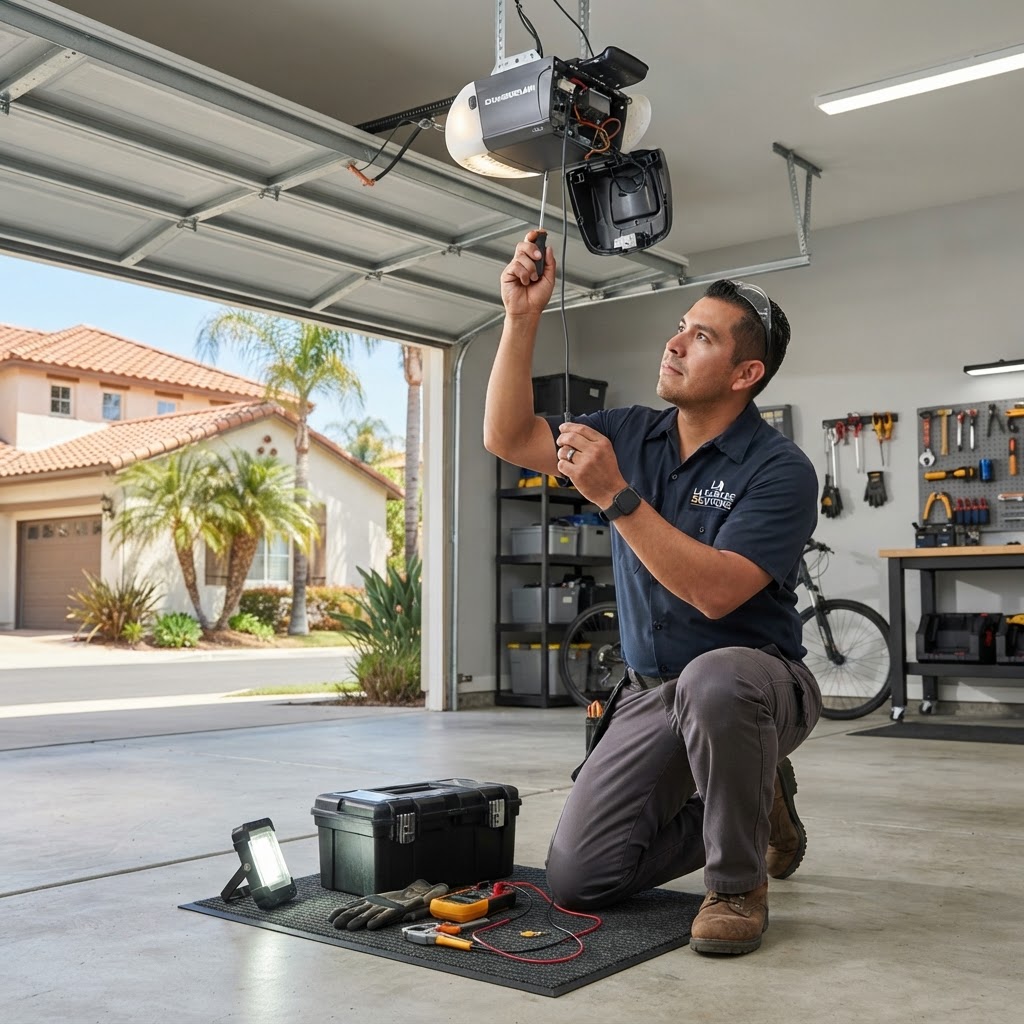
Photo-eye sensors, also known as safety sensors or infrared sensors, create an invisible beam across the garage door opening approximately four to six inches above the ground. These garage door safety sensors for children consist of two units mounted on either side of the door: one transmitter that emits an infrared beam and one receiver that detects it. When anything interrupts this beam while the door is closing, the system immediately stops and reverses the door's direction, preventing contact entirely.
The positioning of photo-eye sensors near ground level specifically protects small children and pets who might crawl or walk under a closing door. This placement ensures that even a toddler will break the beam and trigger the safety response. The sensors must maintain perfect alignment to function correctly. Even a slight misalignment from vibration, accidental bumping, or settling of the door frame can render them ineffective, creating a dangerous situation without obvious warning signs.
You can identify properly functioning photo-eye sensors by checking the indicator lights on each unit. Most systems display a solid green or red light on both sensors when properly aligned. A blinking light typically indicates misalignment or obstruction. Many modern systems also prevent the door from closing at all when sensors are misaligned, forcing homeowners to hold the wall button continuously to close the door. This override feature should only be used temporarily and never as a permanent solution, as it completely bypasses your primary child safety mechanism.
Pro Tip: Test your photo-eye sensors weekly by waving a broom or long object through the beam while the door is closing. The door should immediately reverse. If you notice the sensors frequently lose alignment, the mounting brackets may be loose or the door tracks may be out of adjustment, requiring professional attention to ensure consistent protection for your children.
Understanding System Integration and Failure Points
The most effective garage door child safety features work as integrated systems, with multiple layers of protection compensating for potential single-point failures. Your wall-mounted control panel, remote controls, and keypad all communicate with the opener unit, which coordinates the motor, auto-reverse mechanism, and photo-eye sensors. Understanding how these components interact helps you identify when something isn't functioning correctly.
Common failure points include corroded sensor wiring, misaligned sensors from door vibration, worn force-adjustment settings on the opener, and outdated opener technology that lacks modern safety features. LA's coastal areas face additional challenges from salt air corrosion, while valley regions experience extreme temperature fluctuations that can affect sensor performance. Regular inspection and testing become even more critical in these environments to maintain consistent safe garage door practices.
If you're experiencing issues with doors that won't reverse properly, the problem often relates to force settings, sensor alignment, or worn mechanical components. Our guide on How to Fix a Garage Door That Reverses Before Closing addresses common reversal problems, though any safety-related concerns should prompt immediate professional evaluation to ensure your children's protection.
5 Essential Steps to Childproof Your Garage Door System
Implementing comprehensive garage door safety for kids requires a systematic approach that addresses both the mechanical systems and the home environment. These five essential steps provide a framework for creating a child-safe garage door opener environment that protects your family while maintaining the convenience of automated garage door operation.
Step 1: Secure Wall Controls and Remote Devices
The first step in any childproofing strategy is controlling access to garage door activation devices. Wall-mounted control panels should be installed at least five feet above the floor, well out of reach of young children. This height prevents toddlers and young children from accidentally or intentionally activating the door while someone is in the doorway or garage area. Many modern control panels include lock features that disable remote operation, providing an additional layer of security when children are playing in or near the garage.
Remote controls present a different challenge because of their portability. Never leave garage door remotes in vehicles parked in the driveway or accessible to children. Treat them with the same security consciousness as car keys. Consider upgrading to Smart Openers that allow you to control and monitor your garage door through smartphone applications with password protection, eliminating the risk of children accessing physical remote controls.
For homes with keypads, choose complex codes that young children cannot guess or accidentally enter. Avoid obvious combinations like birthdates or repeated numbers. Change your access codes periodically, especially if children have observed you entering them. Some advanced systems allow you to create temporary codes for service providers or older children while maintaining a master code that only adults know.
Step 2: Install Emergency Release Disconnect Protection
The emergency release cord, typically a red handle hanging from the opener carriage, allows manual operation during power outages or opener malfunctions. While essential for emergency situations, this cord can tempt curious children to pull it, disconnecting the door from the opener and potentially causing the door to slam shut if springs are improperly balanced. This scenario has caused serious injuries when heavy doors have fallen unexpectedly.
To prevent garage door accidents related to emergency releases, install a protective shield or tie-back system that keeps the release handle above child height while remaining accessible to adults. Some manufacturers offer emergency release locks that require a key to activate, though these may not comply with local fire codes that require quick emergency egress. Consult with professionals familiar with LA building requirements before implementing locking mechanisms on emergency releases.
Equally important is ensuring your garage door is properly balanced so that disconnecting the opener doesn't create a hazardous situation. A balanced door should remain stationary when manually lifted to waist height and released. If the door slams shut or shoots upward when disconnected, the spring tension requires immediate adjustment. Improperly balanced doors create dangers even without children pulling emergency releases and should be addressed by professionals who specialize in Spring Replacement and adjustment.
Step 3: Eliminate Pinch Points and Entrapment Zones
Garage doors contain numerous pinch points where sections meet, where rollers travel in tracks, and where the door meets the frame. Children's natural curiosity often leads them to place fingers in gaps and openings, risking serious injury. Modern garage doors with pinch-resistant panel designs minimize these hazards, but older doors throughout Los Angeles homes may lack these safety features.
Conduct a thorough inspection of your garage door to identify all potential pinch points. Pay special attention to the areas where door sections hinge together, where the bottom section meets the floor, and where the door travels into the side tracks. Consider installing pinch-resistant gaskets or covers on older doors, or evaluate whether upgrading to a modern door with integrated safety features makes sense for your family's needs.
The area immediately around a closing garage door creates an entrapment zone where children can become trapped between the door and the frame or between the door and vehicles parked inside. Establish and mark clear zones where children should never stand or play. Use bright floor markings or safety tape to create visual boundaries that even young children can understand. These marked zones also serve as constant reminders to older children and adults about maintaining safe distances during door operation.
Step 4: Address Mechanical Component Hazards
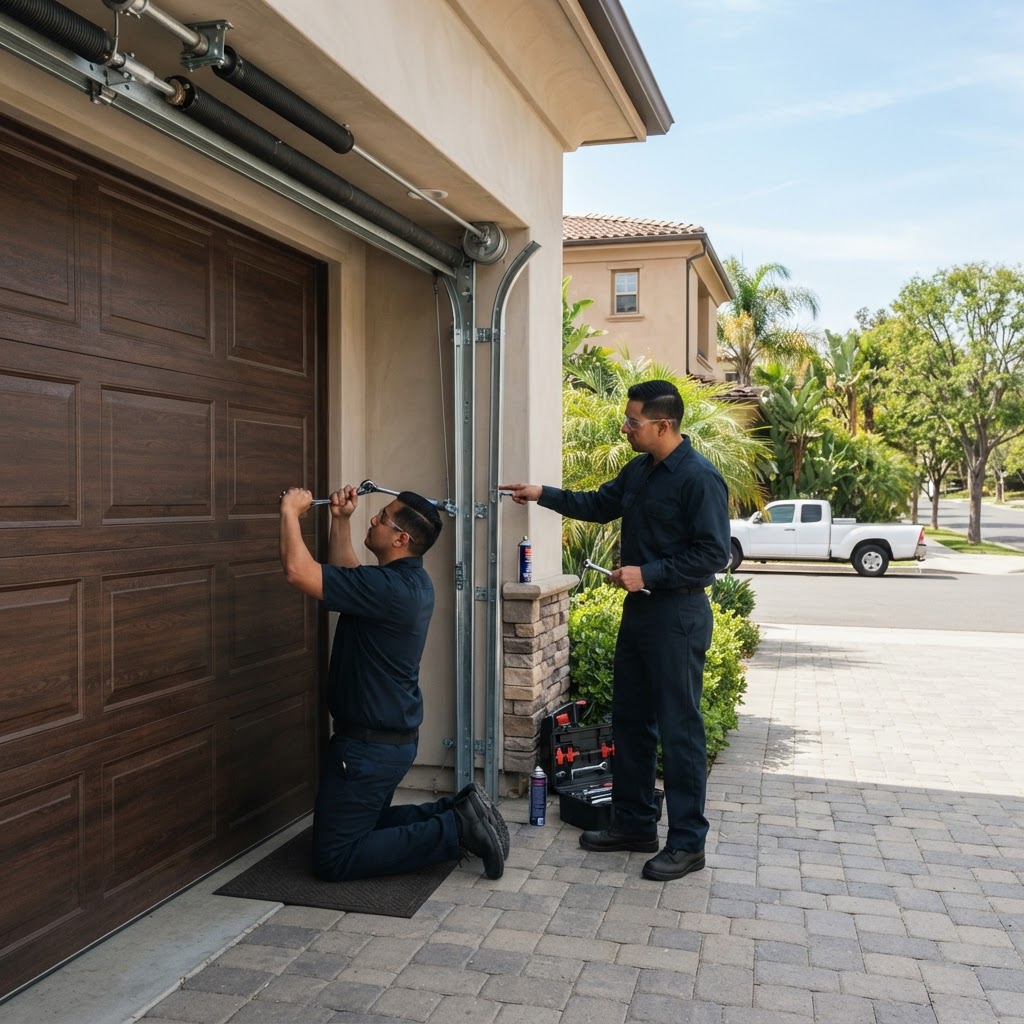
The mechanical systems that operate your garage door include springs, cables, rollers, and tracks. All of these components are under extreme tension and pose serious injury risks if they fail or if children attempt to touch or manipulate them. Torsion springs, which mount on the header above the door, can store enough energy to cause fatal injuries if they break or are improperly handled. Extension springs on either side of the door present similar dangers.
Install protective covers or guards over exposed springs and cable drums. While these components should never be adjusted by homeowners due to the extreme danger involved, protective covers prevent curious children from poking fingers or objects into these mechanisms. Some covers also contain debris from spring failures, reducing the risk of injury if a spring breaks during operation.
Cables represent another often-overlooked hazard. These steel cables travel under extreme tension and can fray, creating sharp wire ends that can cut small hands. Regular inspection of cable condition helps identify wear before failure occurs. If you notice frayed cables, rust, or loose strands, contact professionals who provide Cable Repair services immediately. Never allow children near garage doors with visible cable damage.
Step 5: Create Physical Barriers and Supervised Zones
The most effective childproofing combines mechanical safety features with environmental controls that limit unsupervised access to the garage and garage door area. Install self-closing, self-latching doors between your home and garage, with locks positioned above child height. This simple measure prevents young children from wandering into the garage unsupervised and encountering hazards.
Consider installing safety gates at the garage entrance if you have toddlers or very young children. These gates should be tall enough that children cannot climb over them and should feature locks that require adult dexterity to open. Position gates to create a buffer zone between living areas and the garage, giving you reaction time if a child attempts to enter the garage area.
Establish strict rules about where children can be when the garage door is operating. Implement a family policy that requires all children to be inside the house or well outside the garage area before anyone activates the door. Make door operation a supervised activity when young children are present, with one adult responsible for watching the door's full travel path while another manages children.
Teaching Children Garage Door Safety Rules and Emergency Procedures
Even the most comprehensive childproofing measures cannot replace education and supervision. Teaching children about garage door dangers and establishing clear safety rules creates an additional layer of protection that grows more effective as children mature and gain understanding. Age-appropriate education helps children recognize hazards and respond appropriately in emergency situations.
Age-Appropriate Safety Education
For toddlers and preschool-age children (ages 2-5), focus on simple, concrete rules that they can understand and remember. Use phrases like "never touch the moving door" and "stay away from the big door." Establish the garage as an adult-only space that children can only enter with direct supervision. At this age, physical barriers and constant supervision provide more reliable protection than rules alone, but beginning the education process establishes foundations for later understanding.
Elementary-age children (ages 6-10) can understand more complex concepts about mechanical danger and cause-and-effect relationships. Explain how the door's weight and power can cause injuries, using age-appropriate comparisons. Demonstrate the photo-eye sensors and auto-reverse system, showing how the door responds to obstructions. This age group can learn to recognize warning signs like unusual door sounds or jerky movement and understand why they should alert adults to these problems.
Preteens and teenagers (ages 11+) should receive comprehensive education about all garage door safety features and emergency procedures. Older children can learn to perform basic safety tests under supervision and understand when professional help is needed. If you choose to allow older teenagers to operate the garage door, ensure they understand the responsibility involved and the importance of checking for people, pets, and obstructions before activation.
Essential Safety Rules for All Ages
Establish and consistently enforce these fundamental safety rules in your household:
- Never play under, near, or with the garage door: The door is not a toy and should never be used for games or entertainment.
- Never touch moving parts: Springs, cables, rollers, and hinges are dangerous and should never be touched by children.
- Never run under a closing door: Even with safety features, attempting to beat a closing door creates unnecessary risk.
- Always watch the door until fully closed or open: Never walk away from an operating door or assume it will complete its cycle safely.
- Never hang on or ride the door: The door's weight and mechanical force can cause serious injuries to children attempting to ride it.
- Keep toys and bikes away from the door path: Objects in the door's travel path can interfere with safety sensors or become projectiles.
- Report strange sounds or door behavior immediately: Unusual noises, jerky movement, or slow operation can indicate developing problems.
- Never attempt to repair or adjust the door: Garage door repair requires professional expertise and specialized tools.
Emergency Response Training
Children should know how to respond if someone becomes trapped or injured by a garage door. Teach them to immediately press the wall button to stop and reverse the door if they see someone in danger. Ensure they know how to call 911 and can provide your home address clearly. Role-play emergency scenarios so children can practice appropriate responses without the stress of a real emergency.
Older children should learn the location and function of the emergency release cord, understanding that it should only be used in genuine emergencies when the wall button or remote controls are not functioning. Explain that pulling the emergency release disconnects the door from the opener, requiring manual operation. Demonstrate how to manually lift the door safely, emphasizing that this should only be done to free someone trapped underneath.
Create and practice a family emergency plan that includes garage door scenarios. Designate a meeting place outside the garage where family members should gather if there's an incident. Ensure children know never to attempt to free someone trapped under a heavy door by themselves but to immediately seek adult help or call emergency services.
Pro Tip: Make safety education engaging by creating a "garage door safety certificate" program for your children. After completing training and demonstrating understanding of safety rules, award them a certificate. This positive reinforcement helps children take ownership of safety practices and creates opportunities for regular review of important concepts.
Testing Your Garage Door's Safety Features: Monthly Checklist for LA Parents
Regular testing and maintenance of garage door safety features is essential to ensure continuous protection for your children. Even properly installed systems can drift out of adjustment or develop problems over time due to normal wear, vibration, and environmental factors common in Southern California. Implementing a monthly testing routine takes approximately 15 minutes and provides peace of mind that your childproofing measures remain effective.
Monthly Safety Feature Tests
Perform these tests at least once per month, and immediately after any garage door service or repair work:
- Photo-Eye Sensor Obstruction Test: With the door fully open, press the wall button or remote to close it. As the door descends, wave a broom or long object through the sensor beam about six inches above the ground. The door should immediately stop and reverse direction. If it continues closing or responds slowly, the sensors require adjustment or repair.
- Photo-Eye Sensor Alignment Check: Examine the indicator lights on both sensor units. Both should display solid lights (typically green or red depending on the manufacturer). Blinking lights indicate misalignment. Gently adjust the sensor brackets until both lights become solid, then retest with the obstruction test.
- Auto-Reverse Pressure Test: Place a solid object (2x4 board laid flat or a roll of paper towels) on the ground in the door's path. Close the door using the wall button. The door should reverse immediately upon contacting the object with minimal downward force. If the door crushes the object or requires excessive force before reversing, the force settings need professional adjustment.
- Manual Force Test: With the door about halfway down, push upward on the bottom section with moderate force. The door should stop immediately and reverse. This tests the auto-reverse system's sensitivity to resistance during closing. If the door continues closing against your push, the system requires immediate repair.
- Balance Test: Disconnect the opener using the emergency release cord (ensure children are not present and the area is clear). Manually lift the door to waist height and release it. A properly balanced door should remain in place or drift slightly. If it slams shut or shoots upward, the spring tension requires professional adjustment.
- Visual Inspection: Examine all visible components including springs, cables, rollers, tracks, and hinges for signs of wear, rust, fraying, or damage. Look for loose hardware, bent tracks, or misaligned components. Check that photo-eye sensor lenses are clean and free of debris or spider webs.
- Opening Force Test: While the door is closing, press the wall button again. The door should immediately stop and reverse to the fully open position. This confirms that the control system can override the closing cycle, an important safety feature if you need to stop the door quickly.
Documenting Your Safety Tests
Create a simple log to record your monthly safety tests. Note the date of each test and whether each component passed or failed. This documentation serves multiple purposes: it creates accountability for regular testing, provides a maintenance history that can help identify developing problems, and demonstrates due diligence should any incident occur. Keep this log in an accessible location like a smartphone app or notebook stored in the garage.
If any test fails, do not use the garage door until the problem is corrected. Manual operation bypasses all safety features and should only be used temporarily for essential access. Contact professionals who provide Safety Inspections and repairs to address any failures immediately. The inconvenience of temporarily losing automatic operation is minimal compared to the risk of a child being injured by a malfunctioning door.
Seasonal Maintenance Considerations for LA Climate
Southern California's climate presents unique challenges for garage door systems. The region's temperature fluctuations, particularly in valley areas, can affect metal expansion and contraction, impacting spring tension and track alignment. Coastal areas face salt air corrosion that can degrade springs, cables, and electronic components more rapidly than in other regions. Adjust your testing frequency based on your specific location and environmental conditions.
During summer months when temperatures in the San Fernando Valley and other inland areas can exceed 100 degrees, pay special attention to how your door operates. Heat can cause lubricants to break down and metal components to expand, potentially affecting force settings and sensor alignment. Winter months, while mild in Los Angeles, still bring temperature drops that can affect spring tension and door balance.
Santa Ana wind conditions common in fall create additional concerns. High winds can stress door components and blow debris into tracks or sensor paths. After significant wind events, perform extra safety checks to ensure no damage or misalignment has occurred. The comprehensive guide on How to Clean Garage Door Tracks: LA Homeowner's Guide provides detailed information on maintaining track cleanliness, which directly impacts safety feature performance.
Warning Signs Your Garage Door Poses a Risk to Children and What to Do
Recognizing warning signs that indicate your garage door may pose safety risks is critical for preventing garage door accidents. Many dangerous conditions develop gradually, with subtle symptoms that homeowners may dismiss or overlook. Understanding these warning signs and responding appropriately protects your children from preventable injuries.
Immediate Danger Signs Requiring Emergency Action
Certain conditions indicate immediate danger and require you to stop using the automatic opener until repairs are completed:
- Door closes with excessive force or speed: If the door slams shut rather than closing smoothly, the force settings are incorrect or the door is severely out of balance, creating crushing hazard.
- Door fails to reverse when obstructed: If the door continues closing when it encounters an obstruction or fails the auto-reverse test, the primary safety mechanism is not functioning.
- Photo-eye sensors don't respond to obstructions: If you can close the door even when the sensor beam is blocked, the sensors are not functioning and provide no protection.
- Door closes with sensors misaligned: If the door closes normally despite blinking sensor lights, the system is bypassing the sensors, eliminating this critical safety feature.
- Visible cable damage or fraying: Frayed or damaged cables can snap without warning, causing the door to fall suddenly and creating extreme danger.
- Broken or damaged springs: A broken spring can cause the door to fall or operate erratically, creating unpredictable and dangerous behavior.
- Door falls when disconnected from opener: This indicates severe balance problems or spring failure, meaning the door could fall unexpectedly even during normal operation.
If you observe any of these conditions, disconnect the opener and manually secure the door in the fully closed position. Do not allow children near the garage until professional repairs are completed. Contact Emergency Repairs services immediately for same-day assessment and repair of dangerous conditions.
Warning Signs of Developing Problems
These symptoms indicate developing issues that may not pose immediate danger but require prompt attention before they become serious safety hazards:
- Unusual noises during operation: Grinding, scraping, squealing, or popping sounds indicate worn components, misalignment, or inadequate lubrication that could lead to failure.
- Jerky or uneven movement: If the door moves in fits and starts or one side moves faster than the other, tracks may be misaligned or rollers may be damaged.
- Slow response to commands: Delayed response when pressing the wall button or remote can indicate electrical problems or opener motor issues.
- Door reverses randomly during closing: While better than not reversing at all, random reversals often indicate overly sensitive force settings, sensor alignment issues, or obstructions in the tracks.
- Visible rust or corrosion on springs or cables: Rust weakens metal components and indicates they are approaching the end of their service life.
- Gaps between door sections or at the bottom seal: Gaps can indicate hinge wear, panel damage, or severe balance problems affecting door operation.
- Sensors frequently lose alignment: If you constantly need to realign sensors, the mounting brackets are loose or the door frame may be settling, requiring structural evaluation.
Address these warning signs promptly through professional inspection and service. Many of these conditions worsen rapidly once they begin, and what starts as a minor annoyance can quickly become a serious safety hazard. Regular Tune-Up services help identify and correct developing problems before they compromise safety.
When to Call a Professional
While homeowners can perform basic safety tests and minor maintenance like cleaning sensors and lubricating moving parts, most garage door repairs require professional expertise due to the extreme forces involved and the specialized knowledge needed to properly adjust safety features. Call a professional immediately for:
- Any failure of safety feature tests (auto-reverse or photo-eye sensors)
- Spring replacement or adjustment (never attempt this yourself due to extreme danger)
- Cable repair or replacement
- Opener motor problems or electrical issues
- Track repair or realignment
- Force setting adjustments that affect safety feature operation
- Door balance problems or uneven operation
- Installation of new safety features or system upgrades
- Annual comprehensive safety inspections
Professional technicians have the training, experience, and specialized tools necessary to safely diagnose and repair garage door systems. They understand how different components interact and can identify problems that may not be obvious to homeowners. Most importantly, they can properly adjust force settings and safety features to manufacturer specifications, ensuring your childproofing measures function reliably.
Families throughout the Glendale Service Area and surrounding Los Angeles communities depend on professional garage door services to maintain safe home environments. Don't risk your children's safety by attempting complex repairs or ignoring warning signs. Professional assessment provides peace of mind that your garage door systems meet current safety standards and function as designed to protect your family.
Protecting Your Family Through Proactive Garage Door Safety
Childproofing your garage door is not a one-time project but an ongoing commitment to your family's safety. The comprehensive approach outlined in this guide combines mechanical safety features, environmental controls, education, regular testing, and professional maintenance to create multiple layers of protection. Each element works together to minimize the risk of garage door accidents and ensure your children can grow up in a safe home environment.
Los Angeles parents face unique challenges with garage door safety due to the region's climate, the prevalence of attached garages, and the frequent use of garage doors as primary home entrances. By understanding how garage door child safety features work, implementing proven childproofing strategies, teaching children appropriate safety behaviors, and maintaining vigilant testing schedules, you create a comprehensive safety system that adapts to your family's changing needs as children grow.
Remember that garage door safety is too important to leave to chance. Regular monthly testing takes only minutes but can prevent life-altering tragedies. Professional inspections provide expert assessment of your systems and ensure that safety features function according to manufacturer specifications. The combination of informed homeowner vigilance and professional expertise creates the safest possible environment for your children.
The investment in proper childproofing measures, whether through upgraded safety features, professional maintenance, or comprehensive education programs, is minimal compared to the invaluable protection these measures provide. Your garage door should be a convenience that enhances your daily life, not a source of anxiety about your children's safety. With proper attention to the principles and practices outlined in this guide, you can confidently maintain a child-safe garage door opener system that protects your family for years to come.
Expert Garage Door Safety Services for Los Angeles Families
At MSB Garage Door Repair, we understand that your children's safety is your top priority. Our experienced technicians specialize in comprehensive garage door safety inspections, safety feature installation and repair, and family-focused service that addresses the unique needs of LA households with children. We provide thorough testing of all safety mechanisms, professional adjustment of auto-reverse and photo-eye sensor systems, and detailed guidance on maintaining child-safe garage door practices.
Whether you need emergency repairs for malfunctioning safety features, want to upgrade an older system with modern child safety technology, or simply want peace of mind through professional safety inspection, our team is ready to help. We serve families throughout Los Angeles County, from Sherman Oaks Service Area to coastal communities, with the expertise and commitment to excellence that your family deserves.
Don't wait for an accident to take garage door safety seriously. Contact MSB Garage Door Repair today at (818) 650-7697 to schedule a comprehensive safety inspection and ensure your garage door systems provide reliable protection for your children. You can also conveniently book a service online at a time that fits your family's schedule. Let us help you create a safer home environment where your children can play, explore, and grow without unnecessary risks from garage door hazards.
Related articles

Need professional garage door service?
Repairs, replacements and maintenance across Los Angeles and the San Fernando Valley. Same-day service and free written estimates.