
Is It Time for Garage Door Spring Replacement? Signs to Watch For
Is your garage door acting up? Learn the 5 warning signs that your springs need replacing and why you should call MSB Garage Door Repair at (818) 650-7697 today.
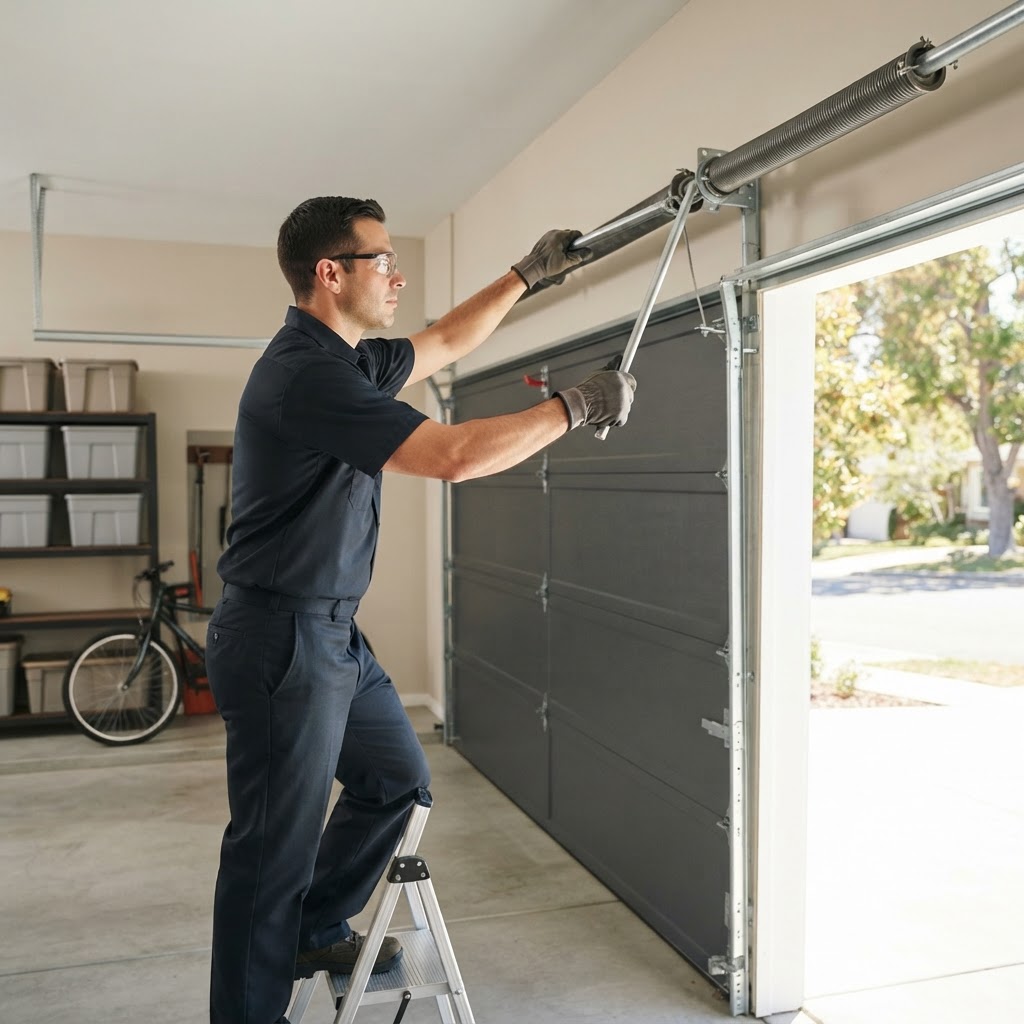
Is It Time for Garage Door Spring Replacement? Signs to Watch For
As a homeowner in Los Angeles, you rely on your garage door for convenience, curb appeal, and home security. However, the heavy lifting of a garage door is not performed by the motor alone; it is handled by the counterweight system powered by high tension springs. When these components begin to fail, the entire system is compromised. At MSB Garage Door Repair, we have serviced over 10,000 residential doors across the LA area, and we often see the catastrophic results of ignored spring maintenance. Understanding when you need Spring Replacement is critical to preventing damage to your opener and avoiding dangerous accidents.
The Anatomy of Garage Door Springs
Garage door springs act as the muscles of your garage door system. Most residential doors in California utilize one of two primary types of spring configurations:
Torsion Spring Systems
Torsion springs are mounted on a metal shaft directly above the garage door opening. When the door closes, the springs wind up, storing energy. When you open the door, this energy is released, allowing the door to rise with minimal effort from the motor. These are the industry standard for modern, heavy, or insulated doors.
Extension Spring Systems
Extension springs are positioned on the sides of the horizontal tracks. They stretch out when the door is closed and contract when the door is lifted. These are common in older homes or lighter, non-insulated garage doors found in many Southern California neighborhoods.
The Lifespan of Your Garage Door Springs
Most garage door springs are rated for a specific number of cycles. A cycle is defined as one full opening and one full closing of your door. Standard springs typically last between 10,000 and 15,000 cycles. If you use your garage door to enter and exit your home four times a day, your springs will likely reach their limit in about 7 to 9 years. Living in a coastal environment like Los Angeles can introduce salt air and humidity, which may accelerate the corrosion of metal components, potentially shortening this lifespan even further.
Top 5 Signs You Need Immediate Replacement
Recognizing the warning signs early can save you from an Emergency Repairs situation. If you notice any of these symptoms, your springs are likely failing:
- Difficulty Operating the Door: If your door feels heavier than usual or the motor struggles to lift it, the springs have likely lost their tension.
- Audible Warning Signs: Loud popping, grinding, or screeching noises are immediate indicators of mechanical stress.
- Door Imbalance: Disconnect the motor and try lifting the door manually. If it does not stay at the halfway point, the springs are improperly calibrated or broken.
- Visible Gaps: A clear sign of a broken torsion spring is a visible 1 to 2 inch gap in the coils.
- The Door Slams Down: If the door drops rapidly when the power is off, the springs are failing to support the weight of the door.
Pro Tip: Never attempt to adjust or replace your own garage door springs. These parts are under extreme tension and can cause severe injury or property damage if they snap during installation.
Why Professional Maintenance is Vital
Many homeowners skip Safety Inspections until a failure occurs. However, routine maintenance is the most effective way to protect your investment. During a professional visit, our technicians check the spring tension, lubricate all moving parts, and inspect cable integrity. These preventative measures can often add years to your hardware's lifespan. If your system is outdated, we also offer Opener Installation and full Garage Door Repair to ensure your system is compliant with current safety regulations.
When to Call a Professional
You should contact a licensed professional immediately if you experience any of the following:
- The garage door is stuck in an open position, leaving your home vulnerable.
- The garage door will not move at all despite the motor running.
- You notice rust or significant corrosion on the spring coils.
- The door hangs unevenly when it is closed.
- You are considering a complete Garage Door Installation due to frequent mechanical failure.
Do not risk your safety trying to handle these high tension parts yourself. At MSB Garage Door Repair, we provide fast, professional service to every neighborhood in Los Angeles. If your springs are failing, act now before the door stops working entirely. Contact our team today at (818) 650-7697 or Book a Service online to have a technician inspect your system today.
Deep Dive Diagnostic Methods for LA Homeowners
Beyond the obvious signs of a broken spring, subtle indicators of wear are often overlooked until a total failure occurs. In Los Angeles, the distinct thermal cycle of hot afternoons and cooler desert nights can cause metal fatigue over time. To diagnose the health of your garage door hardware, start with a simple manual weight test. Disengage your automatic opener using the red emergency pull cord. Once the door is free from the motor, carefully lift it halfway by hand. A healthy spring system should hold the door firmly in place. If the door slams shut or flies upward, your springs are either imbalanced, weakened, or incorrect for the weight of your specific door panel.
Another critical diagnostic area involves your cables. Springs and cables work as a symbiotic pair. If you notice your cables have become frayed, loose, or are winding unevenly around the drums, this is a clear sign that the tension in your springs is no longer uniform. Replacing springs while ignoring frayed cables is a common mistake that leads to secondary failures within days. We recommend visiting our Garage Door Services page to learn more about our comprehensive inspection process.
The Impact of Southern California Climate on Spring Longevity
Local geography plays a significant role in hardware failure. If you reside in coastal areas like Santa Monica or Venice, the high salt content in the air acts as a catalyst for oxidation. Rust on a torsion spring is not merely a cosmetic issue; it creates friction between the coils and introduces microscopic cracks that weaken the steel. Over time, these weakened points will snap under the immense pressure of the door weight. Even in inland regions like the San Fernando Valley, extreme heat can degrade the grease used on springs, leading to dry, grinding metal-on-metal contact. Regular lubrication with a professional silicone-based spray is mandatory for any homeowner wishing to maximize the lifespan of their hardware.
The Dangers of Mismatched Springs
Many hardware stores sell generic springs, but installing the wrong size or gauge for your specific door weight is a dangerous gamble. An under-tensioned spring forces your motor to work twice as hard, potentially burning out your circuit board or stripping the drive gears. Conversely, an over-tensioned spring can cause the door to jump off the tracks, causing damage to your rollers and track alignment. Professional installation ensures that the torque rating is perfectly matched to your door panels, whether they are wood, steel, or aluminum.
Homeowner Safety Guidance and Liability
Garage door springs are arguably the most dangerous component in your home. A single torsion spring holds enough potential energy to cause severe bodily harm or fatal injury if released unexpectedly. This is why we strongly advise against the DIY approach. When a spring snaps, it can damage nearby vehicles, interior walls, or the garage structure itself. If you suspect your springs are reaching the end of their cycle life, prioritize safety by keeping your family and pets away from the area until a certified technician arrives. For those worried about potential safety hazards or current system status, we offer professional Safety Inspections to identify risks before they manifest into an emergency.
Decision Criteria: Repair or Full Replacement
How do you decide when to simply replace a spring versus upgrading the entire system? Consider the age of your door. If your door is over 15 years old and you are experiencing frequent spring breaks, the structural integrity of the door panels may be failing alongside the hardware. If you are frequently calling for repairs, it may be more cost-effective to look into a modern Garage Door Installation. Modern doors feature better insulation and safety features that comply with the latest California building codes. Always consult with a professional to assess if your current hardware setup is worth repairing or if it is time to invest in a more reliable, long-term solution for your home.
Related articles
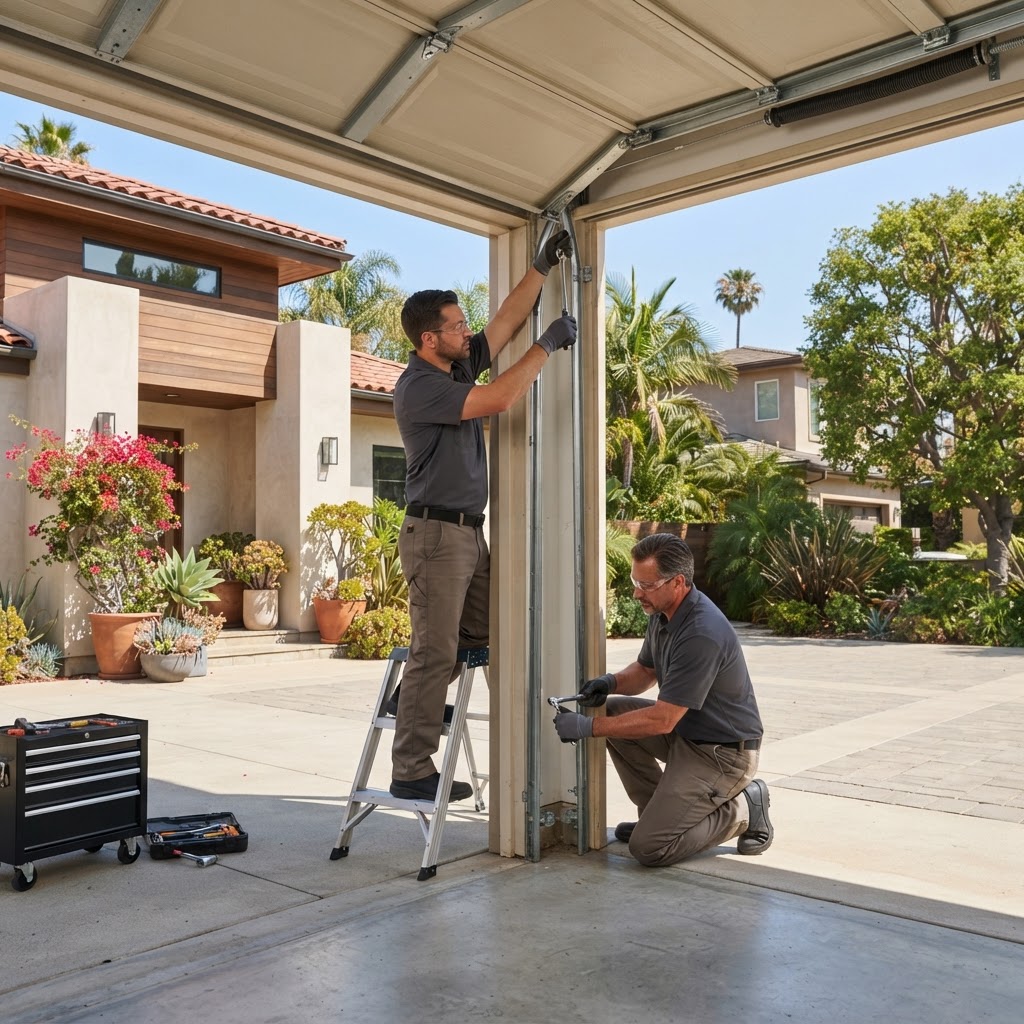
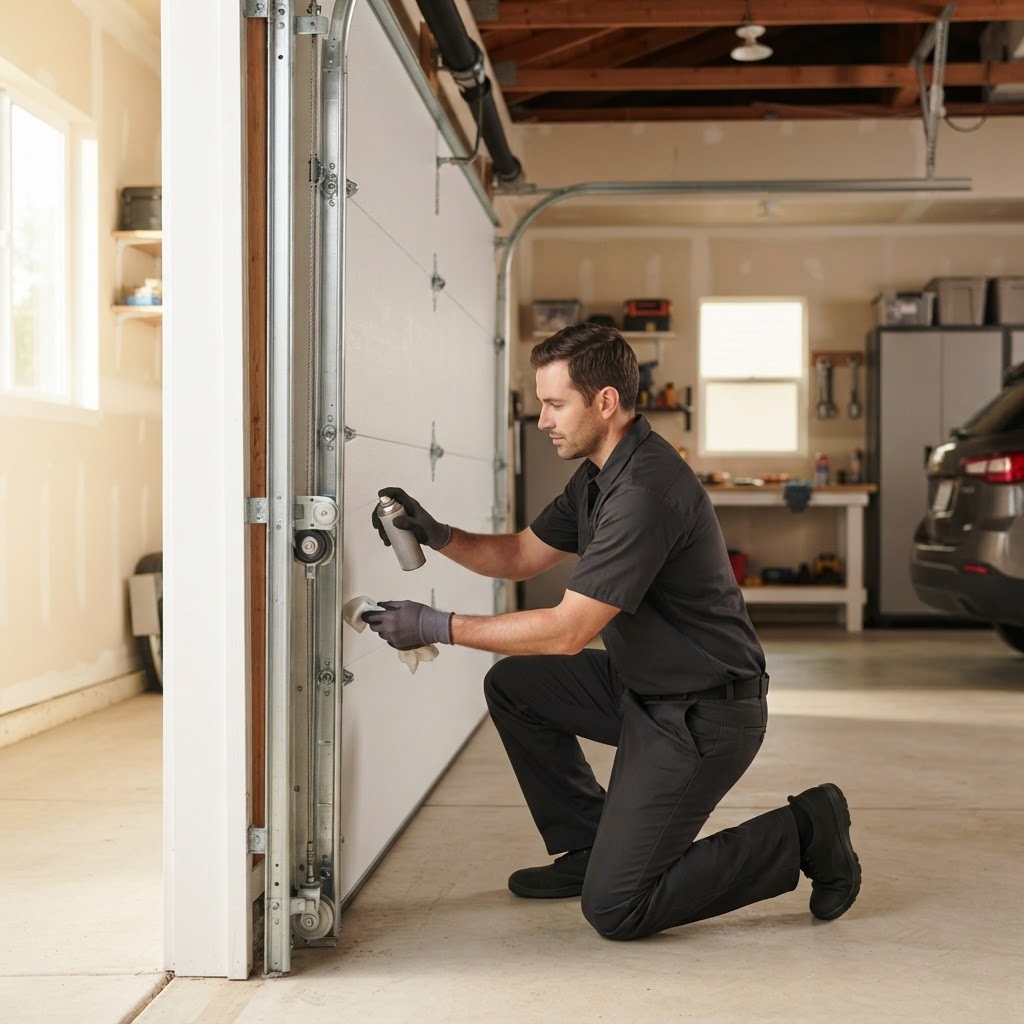
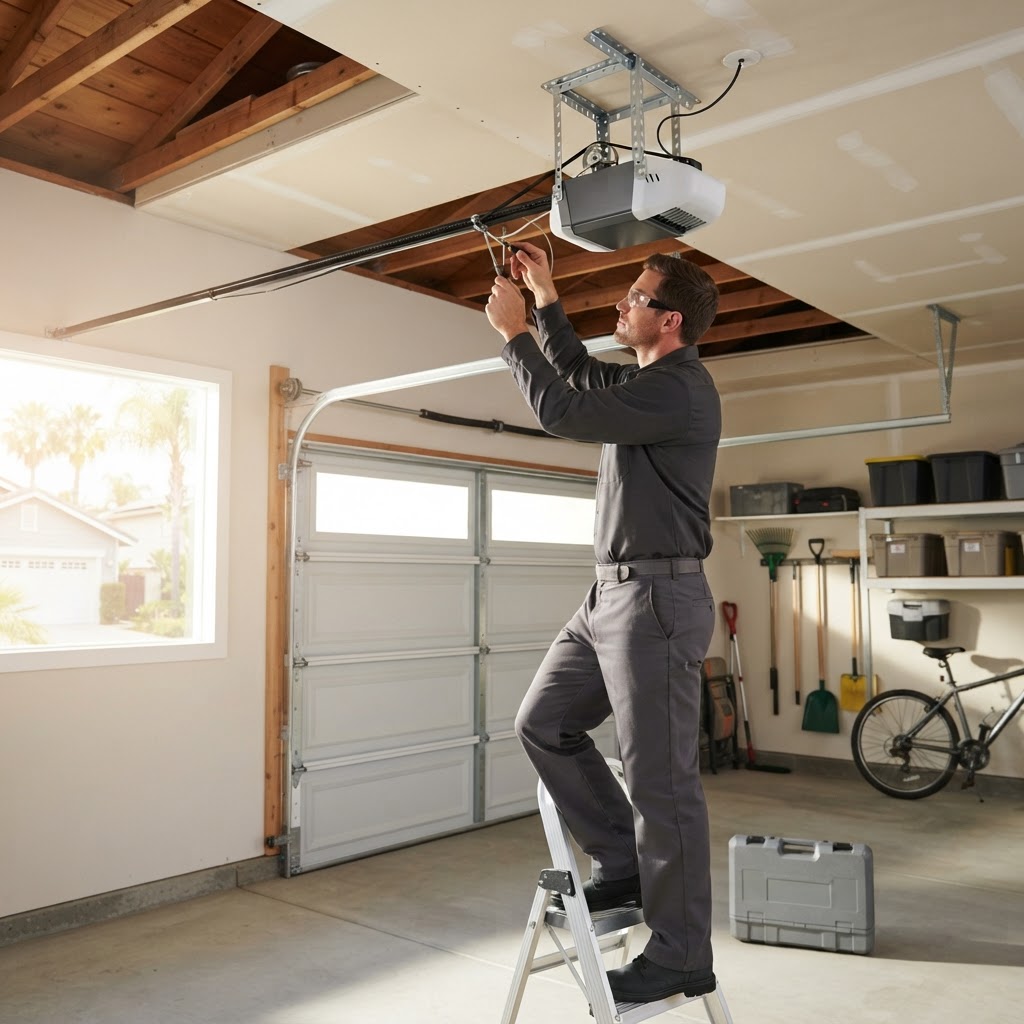
Need professional garage door service?
Repairs, replacements and maintenance across Los Angeles and the San Fernando Valley. Same-day service and free written estimates.