
Can You Replace Garage Door Panels Yourself? DIY Guide
Learn when you can replace garage door panels yourself and when to call professionals. Expert DIY guide for Los Angeles homeowners covers tools, safety, and decision factors.

Can You Replace Garage Door Panels Yourself? DIY Guide
Wondering if you can replace garage door panels yourself? This comprehensive DIY guide for Los Angeles homeowners will help you determine whether panel replacement is within your skill set or requires professional expertise. Garage door panel damage is one of the most common issues facing homeowners in Southern California, whether from fender benders in tight driveways, the relentless sun exposure, or the corrosive effects of coastal air.
Before you grab your tools and attempt a DIY repair, understanding the complexity of garage door panel replacement is essential. While replacing a single panel might seem straightforward, garage doors are carefully balanced systems where even minor alterations can affect overall performance and safety. This guide will walk you through everything you need to know about assessing damage, determining feasibility, and making an informed decision about whether to tackle this project yourself or call in the professionals at MSB Garage Door Repair.
Understanding Garage Door Panel Damage: Common Causes in Los Angeles
Los Angeles homeowners face unique challenges when it comes to garage door panel integrity. The combination of environmental factors and daily use patterns creates specific vulnerabilities that can compromise your garage door's appearance and functionality.
Sun Damage and UV Degradation
Southern California's intense sunlight takes a serious toll on garage door panels over time. UV radiation causes fading, warping, and brittleness, particularly in steel and wood panels. The constant exposure to temperatures that can exceed 100 degrees during summer months accelerates deterioration. You'll notice discoloration first, followed by surface cracking and eventual structural weakness. Panels facing south or west receive the most damaging exposure and typically show signs of degradation years before north-facing panels on the same door.
Vehicle Impacts and Physical Damage
The most common cause of panel damage in LA is vehicle impact. Whether backing out in a hurry or misjudging clearance in a narrow driveway, a single collision can dent or crack a panel beyond repair. Modern garage door panels are designed with some give to absorb minor impacts, but significant force creates permanent damage. Dents may seem purely cosmetic, but they can compromise the panel's structural integrity and create stress points that worsen over time.
Coastal Salt Air Corrosion
Homeowners in areas like Santa Monica, Marina del Rey, and other coastal communities face accelerated corrosion from salt-laden air. Even "rust-resistant" steel panels can develop oxidation and deterioration when constantly exposed to ocean breezes. This corrosion often starts at seams, edges, and hardware attachment points before spreading across the panel surface. Aluminum panels resist corrosion better but can still suffer from pitting and discoloration in coastal environments.
Weather-Related Deterioration
While Los Angeles enjoys mild weather compared to many regions, moisture from morning fog, occasional rain, and sprinkler overspray can cause wood panels to rot and metal panels to rust. Poor drainage around the garage can trap moisture against bottom panels, accelerating deterioration. Temperature fluctuations, though less extreme than other climates, still cause expansion and contraction that stresses panel joints and fasteners over time.
DIY Panel Replacement: What You Need to Know
Before attempting to replace garage door panels yourself, you need a realistic assessment of the tools, skills, and safety knowledge required. This isn't a simple weekend project for everyone, and underestimating the complexity can lead to injury or additional damage.
Essential Tools and Materials
Successful panel replacement requires specific tools beyond what most homeowners have in their garage. You'll need:
- Socket wrench set with various sizes for removing panel hardware
- Locking pliers or C-clamps to secure the door in place
- Pry bar or panel removal tool for separating interlocking panels
- Rubber mallet for seating new panels without damage
- Safety glasses and heavy work gloves
- Ladder tall enough to reach upper panels safely
- Winding bars if spring tension adjustment is needed
- Level to ensure proper panel alignment
The replacement panel itself must match your existing door exactly in terms of dimensions, profile, color, and material. This matching process presents one of the biggest challenges in DIY panel replacement, particularly for older doors or discontinued models.
Skill Level Assessment
Honestly evaluate your mechanical aptitude and experience with home repairs. Panel replacement requires understanding how garage door components interact, including the track system, rollers, hinges, and springs. You need the physical strength to handle panels that can weigh 40 to 80 pounds or more, often while working on a ladder. Manual dexterity is essential for aligning hardware and ensuring panels seat properly in their tracks.
If you've successfully completed projects like installing a ceiling fan, building a deck, or performing brake work on a vehicle, you likely have the baseline skills needed. However, if basic home repairs intimidate you or you lack experience working with mechanical systems, panel replacement might exceed your comfort zone.
Critical Safety Considerations
Pro Tip: Never attempt to replace garage door panels without first releasing spring tension or securing the door with locking pliers. Garage door springs store tremendous energy that can cause severe injury or death if released unexpectedly. If you're uncomfortable working with spring systems, this alone is reason enough to call a professional.
Beyond spring hazards, working with heavy panels overhead presents fall and crushing risks. Panels can slip during installation, pinching fingers or falling on feet. The door must be properly supported throughout the replacement process to prevent unexpected movement. Many DIYers underestimate these dangers until they're in the middle of the project and realize they're in over their heads.
Step-by-Step: Assessing Whether Your Panels Can Be Replaced
Not every damaged panel is a candidate for replacement. Several factors determine whether panel replacement is feasible and practical for your specific situation.
Panel Availability and Matching
The first and often most challenging step is determining whether replacement panels are available for your garage door. Manufacturers typically support current models for 7 to 10 years, but older doors may have discontinued panels. You'll need to identify your door's make, model, and age, usually found on a label inside the garage or on the door itself.
Matching involves more than just color. The panel profile, texture, window configuration, and material composition must all align perfectly. Even slight variations in these elements create visible mismatches that detract from your home's appearance. Some manufacturers offer close matches for discontinued models, but these rarely provide seamless integration. In Los Angeles's diverse housing stock, from vintage homes in Beverly Hills to modern construction in Culver City, finding exact matches can range from simple to impossible.
Structural Integrity Checks
Before replacing a damaged panel, inspect the entire door system for structural soundness. Check the door frame for warping, rust, or damage that might prevent proper panel installation. Examine tracks for alignment issues, as misaligned tracks can cause new panels to bind or operate improperly. Inspect rollers, hinges, and other hardware for wear that might need addressing during panel replacement.
Test the door's balance by disconnecting the opener and manually lifting the door halfway. A properly balanced door should stay in place when released. If it falls or rises on its own, spring adjustment is needed before panel replacement. Installing new panels on an unbalanced door accelerates wear and can cause the new panel to fail prematurely.
Damage Assessment: Single Panel vs. Multiple Panels
Evaluate how many panels require replacement. Single panel damage from a localized impact is the most straightforward scenario for DIY replacement. However, if multiple panels show damage or deterioration, the project complexity increases significantly. Multiple panel replacement requires more time, greater physical effort, and increased risk of alignment issues.
Consider whether adjacent panels show signs of wear that might soon require replacement. Replacing one panel now only to replace neighboring panels months later doubles your effort and expense. Sometimes replacing the entire door makes more sense than piecemeal panel replacement, particularly when several panels show age-related deterioration.
Warranty and Insurance Implications
Review your garage door warranty before attempting DIY repairs. Many manufacturer warranties become void if unauthorized individuals perform repairs or modifications. Similarly, homeowner's insurance claims for garage door damage might require professional repair documentation. Attempting DIY replacement could jeopardize coverage or warranty protection, potentially costing more in the long run than professional service would have.
When DIY Panel Replacement Makes Sense vs. When to Call a Pro
Understanding when to tackle panel replacement yourself versus calling professionals like MSB Garage Door Repair can save you time, money, and frustration while ensuring safety and quality results.
Ideal Scenarios for DIY Replacement
DIY panel replacement makes the most sense when dealing with a single bottom panel on a relatively new door with readily available replacement parts. Bottom panels are easiest to access, require minimal spring tension adjustment, and involve less overhead work. If you've confirmed that matching panels are available from the manufacturer or a local supplier, and you possess the necessary tools and mechanical aptitude, single bottom panel replacement represents a manageable DIY project.
Aluminum panel doors are generally more DIY-friendly than steel or wood options. Aluminum panels weigh less, making them easier to handle, and the material is more forgiving during installation. If your door uses a panel design with simple interlocking mechanisms rather than complex reinforcement systems, replacement becomes more straightforward.
When Professional Service Is Essential
Call a professional for panel replacement in these situations:
- Multiple panel damage: Replacing more than one panel significantly increases complexity and risk, making professional expertise worthwhile
- Upper panel replacement: Working overhead with heavy panels presents serious safety hazards and requires proper equipment and techniques
- Spring system involvement: If panel replacement requires spring adjustment or replacement, the extreme danger of spring systems demands professional handling
- Structural concerns: Damaged tracks, frames, or other structural components need expert assessment and repair
- Discontinued or hard-to-match panels: Professionals have access to supplier networks and fabrication resources unavailable to homeowners
- Custom or high-end doors: Wood carriage house doors, custom designs, and premium materials require specialized knowledge and techniques
Material-Specific Considerations
Different garage door materials present unique replacement challenges. Steel panels are heavy and prone to denting during installation if not handled carefully. They require precise alignment to prevent binding in tracks. Wood panels demand moisture considerations, finishing work to match existing stain or paint, and careful handling to prevent splitting. Composite materials may have proprietary fastening systems that require manufacturer-specific knowledge.
The complexity of your door's construction also matters. Insulated doors with multiple layers are harder to work with than single-layer panels. Doors with integrated window systems require careful handling to avoid glass breakage. Decorative doors with embossed patterns or architectural details need expert color matching and alignment to maintain aesthetic continuity.
Long-Term Value Considerations
Consider the long-term implications of DIY versus professional panel replacement. Professional installation typically includes warranty coverage on both parts and labor, protecting your investment. Professionals ensure proper alignment, which prevents premature wear on other components like the opener, springs, and tracks. Improper DIY installation can create ongoing problems that ultimately cost more to correct than professional service would have initially.
Los Angeles-Specific Challenges: Finding Matching Panels and Climate Considerations
Los Angeles homeowners face unique challenges when replacing garage door panels that go beyond typical DIY considerations. Local market conditions, climate factors, and community standards all impact the panel replacement process.
Navigating the LA Supplier Landscape
Finding replacement panels in the Los Angeles area requires knowing where to look. Major manufacturers maintain distribution networks throughout Southern California, but availability varies by brand and model. Some suppliers serve only professional contractors, limiting DIY access to certain panel types. Lead times can extend from a few days to several weeks depending on whether panels are in stock locally or must be shipped from out of state.
The age and diversity of LA's housing stock means you might be working with a door manufactured decades ago by a company that no longer exists. Architectural salvage yards and specialty suppliers sometimes stock panels from discontinued lines, but finding exact matches requires patience and persistence. Online marketplaces offer another avenue, but shipping large, heavy panels can be prohibitively expensive and risky.
Climate-Appropriate Material Selection
When replacing panels in Los Angeles, choosing materials suited to local climate conditions ensures longevity. UV-resistant finishes are essential for panels exposed to direct sunlight. Powder-coated steel panels resist fading better than painted options. For coastal areas, corrosion-resistant materials and hardware prevent premature deterioration from salt air exposure.
Insulation considerations differ in Southern California compared to regions with extreme temperatures. While insulated panels offer some energy efficiency benefits, the climate control advantages are less dramatic than in areas with harsh winters or sweltering summers. However, insulated panels do provide noise reduction, which matters in densely populated neighborhoods throughout Glendale, Burbank, and other LA communities.
HOA Requirements and Neighborhood Standards
Many Los Angeles neighborhoods, particularly in areas like Sherman Oaks and Encino, have homeowners associations with strict architectural guidelines. These regulations may specify acceptable garage door styles, colors, and materials. Before replacing panels, verify that your planned replacement complies with HOA requirements. Some associations require pre-approval for exterior modifications, even when you're simply replacing damaged panels with identical matches.
Even without formal HOA rules, neighborhood aesthetic standards matter for property values. A mismatched panel or obviously different replacement can detract from curb appeal in communities where uniformity is valued. Professional installers familiar with local neighborhoods understand these considerations and can advise on options that maintain property values.
Seismic Considerations
While not directly related to panel replacement, earthquake safety is a consideration for Los Angeles garage door systems. Properly functioning garage doors with well-maintained components are less likely to bind or fail during seismic events. When replacing panels, ensure that all hardware is properly secured and that the door operates smoothly. Consider scheduling a comprehensive safety inspection to verify that your entire garage door system meets current seismic safety standards.
Making the Right Choice: Safety Risks and Long-Term Value
The decision to replace garage door panels yourself or hire professionals ultimately comes down to weighing safety risks, quality outcomes, and long-term value for your home.
Understanding the Real Injury Hazards
Garage door injuries send thousands of people to emergency rooms annually, with panel replacement presenting specific dangers. Spring-related injuries are the most severe, ranging from broken bones to life-threatening trauma. Even with springs secured, heavy panels can crush fingers, toes, or entire limbs if they slip during installation. Working on ladders while manipulating awkward, heavy panels increases fall risk significantly.
Less obvious hazards include pinch points where panels interlock, sharp edges on metal panels that can cause deep cuts, and the potential for the entire door to come off its tracks if not properly supported during panel replacement. DIYers often lack the specialized tools and techniques professionals use to mitigate these risks, increasing the likelihood of injury.
Alignment and Performance Issues
Improper panel installation creates ongoing performance problems that may not be immediately apparent. Misaligned panels cause binding, which stresses the opener motor and shortens its lifespan. Uneven gaps between panels allow air infiltration, reducing energy efficiency and allowing pests to enter. Poor alignment accelerates wear on rollers, hinges, and tracks, leading to premature failure of these components.
Professional installers use precision tools and techniques to ensure perfect alignment. They verify that panels seat properly in tracks, that gaps are uniform, and that the door operates smoothly through its entire range of motion. These quality control measures are difficult for DIYers to replicate without experience and proper equipment.
Impact on Home Value and Curb Appeal
Your garage door significantly impacts your home's curb appeal and resale value. A poorly executed panel replacement with visible mismatches, alignment issues, or shoddy workmanship detracts from your home's appearance. Potential buyers notice garage door condition during property showings, and obvious repair attempts can raise questions about overall home maintenance.
Professional panel replacement maintains or enhances property values by ensuring seamless integration and quality results. When it comes time to sell your home, being able to document professional garage door service and repairs provides reassurance to buyers and supports your asking price.
Total Cost of Ownership
While DIY panel replacement might seem like a money-saving option initially, consider the total cost of ownership. Factor in tool purchases or rentals, your time investment, and the risk of mistakes that require professional correction. If DIY installation leads to premature component wear or ongoing performance issues, you'll spend more addressing these problems than professional installation would have cost initially.
Professional service includes expertise that prevents costly mistakes, warranty coverage that protects your investment, and the assurance that the job is done safely and correctly the first time. For many homeowners, this peace of mind and quality assurance justify professional service over DIY attempts.
When to Call a Professional
Even if you're confident in your DIY abilities, certain situations absolutely require professional expertise. Contact MSB Garage Door Repair if you encounter any of these scenarios:
- You cannot locate matching replacement panels for your door model
- The damaged panel is in the upper half of the door, requiring overhead work
- Spring adjustment or replacement is needed as part of the panel replacement process
- Multiple panels require replacement simultaneously
- You discover structural damage to tracks, frames, or other components during your assessment
- Your door is a custom design, made of wood, or features specialized construction
- You lack the necessary tools or physical ability to safely complete the project
- Your door is still under warranty that requires professional service
- You want the work completed quickly without taking time away from your regular responsibilities
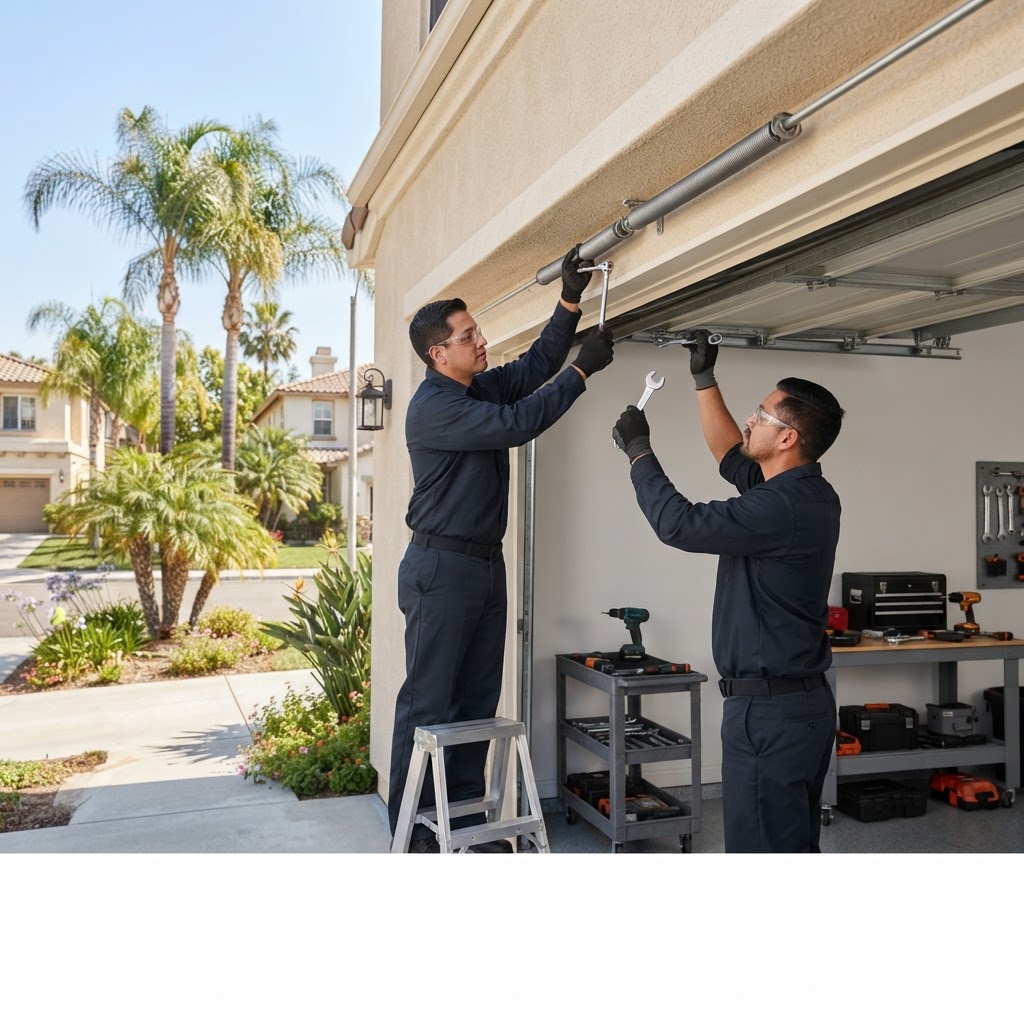
Professional garage door technicians bring specialized knowledge, proper tools, and safety equipment to every job. They can often complete panel replacements in a fraction of the time DIYers require, with superior results and no risk of injury. For related concerns, you might also need services like professional garage door repair to address underlying issues that contributed to panel damage.
Get Expert Panel Replacement Service in Los Angeles
While some garage door panel replacements fall within the capabilities of experienced DIYers, many situations call for professional expertise to ensure safety, quality, and long-term value. If you've assessed your situation and determined that professional service is the right choice, or if you simply want expert guidance on whether your panels can be replaced, MSB Garage Door Repair is here to help.
Our experienced technicians serve homeowners throughout Los Angeles, from Hollywood to Woodland Hills, with expert panel replacement services. We have access to extensive supplier networks for finding matching panels, even for older or discontinued models. Our team handles every aspect of panel replacement safely and efficiently, ensuring your garage door looks great and operates perfectly.
Don't risk injury or subpar results with a DIY panel replacement that's beyond your skill level. Contact MSB Garage Door Repair today at (818) 650-7697 or visit our booking page to schedule an assessment. We'll evaluate your specific situation, explain your options, and provide expert panel replacement service that restores your garage door's appearance and functionality. Trust Los Angeles's garage door experts for quality results you can depend on.
Related articles


Need professional garage door service?
Repairs, replacements and maintenance across Los Angeles and the San Fernando Valley. Same-day service and free written estimates.